My name is like that of all things, without a beginning, nor an end.
The eternal voyage of Nahui Olin
Mexican painter and political activist Dr.Atl (aka Gerardo Murillo Cornado) once stated that Nahui Olin was la musa en eternement movimiento (the muse in eternal movement.) Her existence irked manners of the time and now collides (in the best way) against whoever comes into contact with her. With her undulation into consciousness comes a raw spiritual disturbance. Life seems to begin after stumbling across any of her poems, words, paintings, photographs and artefacts: this is proof of her undying gallop.
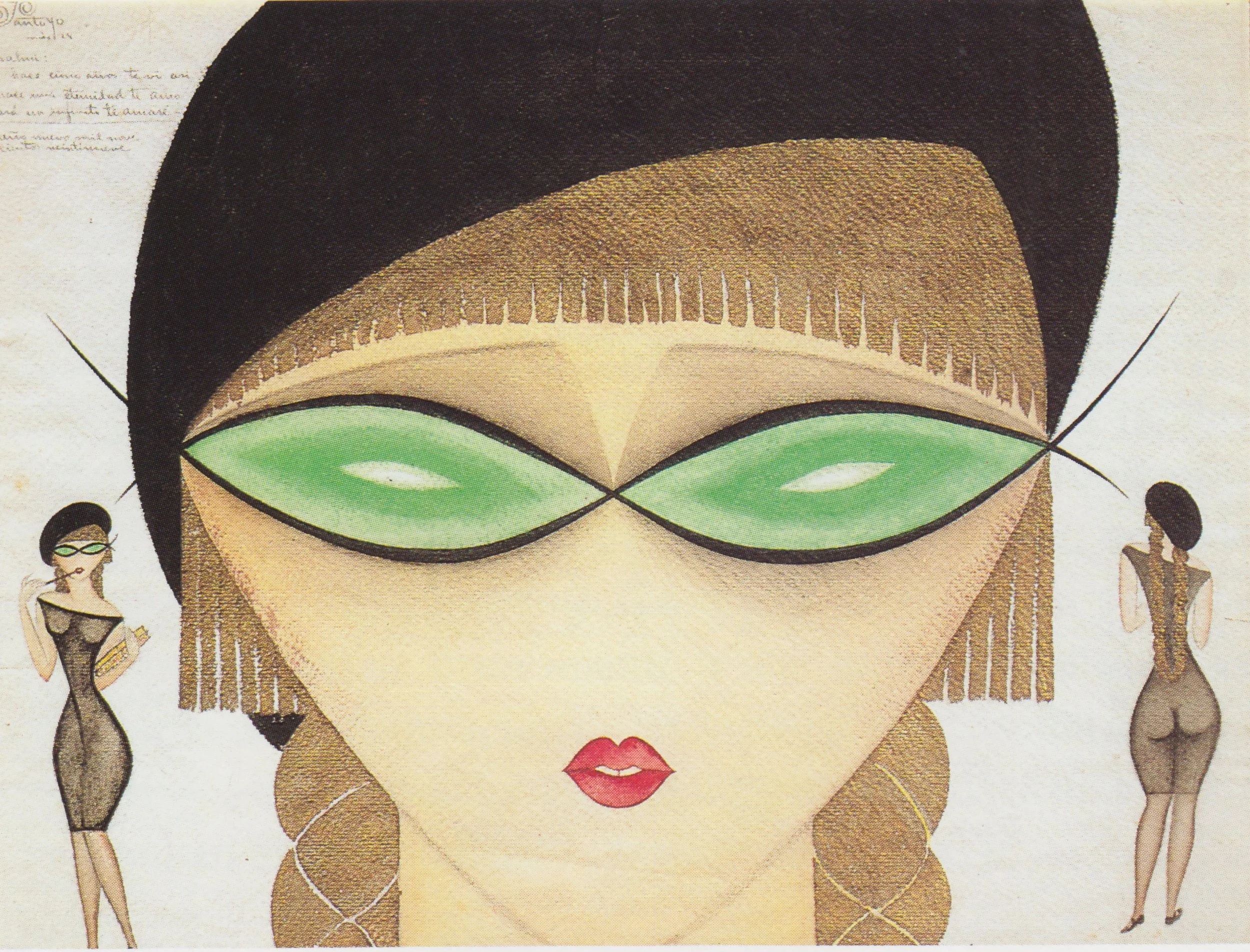
Matías Santoyo Nahui Olin (1928)
Her life presents the story of a liberated, invigorating woman, left forgotten after her death, only to be rescued and deemed worthy once more. Many scholars have wanted to unite a cry in outrage at her lying in stillness for over a decade. All who write about her liken her time on earth and hereafter as being that of an endless cycle. A circle, forever wringing itself into new loops and whirlwinds, thus taking the admirer on a disk of their own, only to then twirl back to where her energy was rediscovered. Infinity sings through a photo or a poem or a painting all at once. Boundlessness reached a tangible form in 1893, because, really, it all started with María del Carmen de Mondragón Valseca (1893-1978), daughter of General Manuel Mondragón, the Mexican artillery officer who invented the Mondragón rifle. Carmen then became Nahui Olin, the woman who shattered expectations, whom we almost lost after her death in 1978 until the world found her again in 1992.
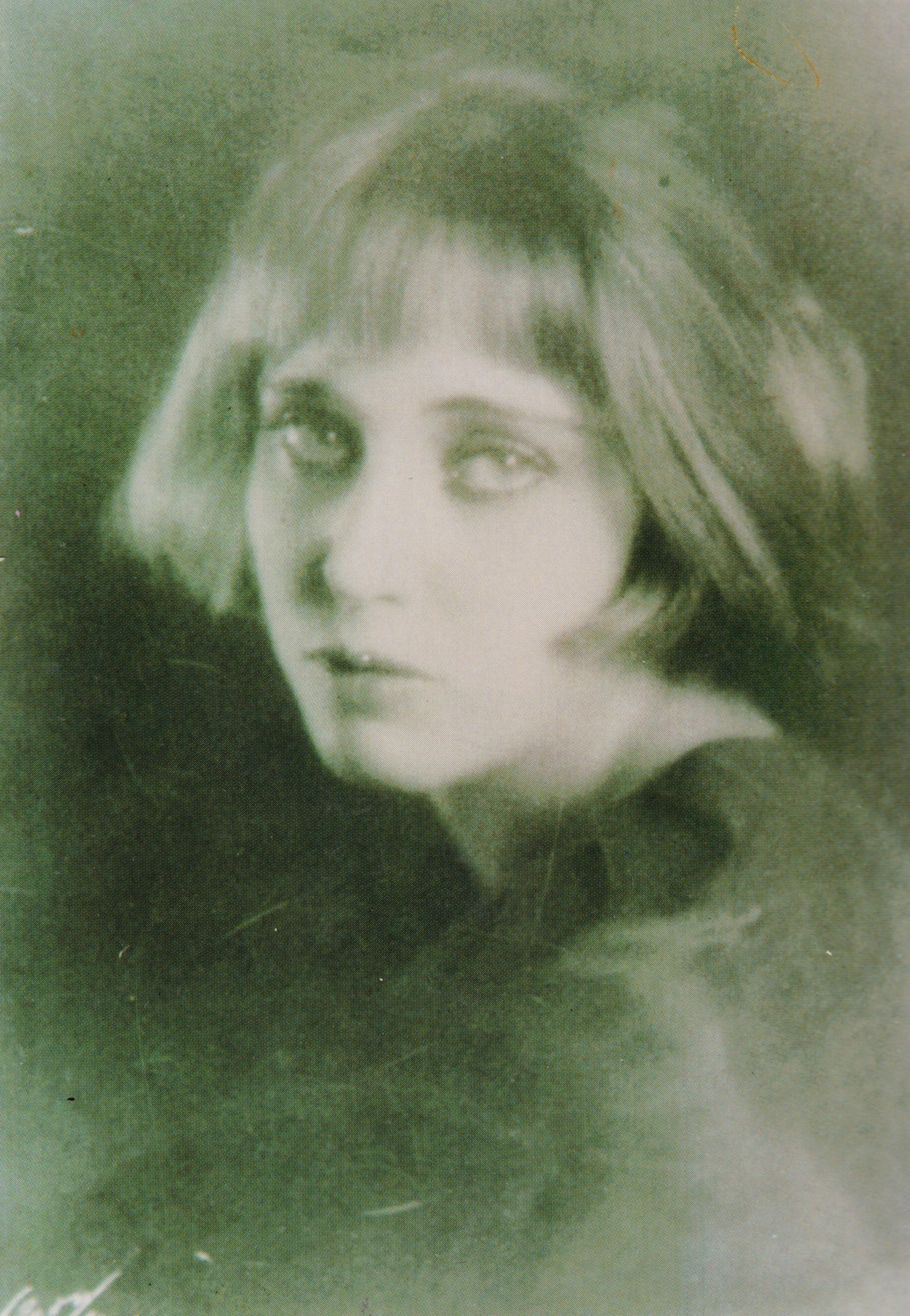
Photograph by Ocon
The name Nahui Olin was first mentioned to me by artist Sofía Moreno auditing an interviewed I was transcribing for a piece about her timeless work (read here: A Women’s Thing.) Moreno referred to Olin as one of the muses she celebrates most. I couldn’t spell her name, so I wrote my version of it: the new sound I was gathering was already stirring me the way it had moved my friend. I then remembered I’d spotted two books about her in a market a year before and had been desperate to buy them, pulled in by the woman on the cover (but deterred by the price!) Until speaking to Sofía, the model had gotten a little buried in the continuum of my subconscious. As she reawakened I started to feel I needed parts of her, taking myself back to a voice recording of Sofía mentioning the effect of her life and work over and over again. Weeks later, I’m on my first date with a delightful new rhythm in my life, and right at the end of our visit to El Colegio San Ildefonso, my date mentions Nahui. We attempt to enter the amphitheatre to see her “live and direct” in Diego Rivera’s mural La Creación (1923.) There’s a closing time, a window when one can see Nahui Olin. Perhaps at that moment our common sphere wasn’t yet solidified. We say we’ll come back, not knowing this is just the first clue to our common circumference. Our first date bleeds onto my favorite one weeks later where we run through the city looking for her presence in different murals. We return to San Ildefonso and a tour guide walks through each of the symbols in the curved amphitheatre. When she reaches Nahui we’re left smiling at her power: signature giant ojos verdes (green eyes) have already transported us to dimensions unknown. When Diego Rivera immortalised her on the walls of the Colegio, he originally painted her in a state of undress. This, she hated, “all you’re doing is sexualising me!” He clothed her but I don’t think I even noticed anything outside of the electricity in the room. Now I hear her name again and again and again. A wheel. (As I write these bracketed words I’ve just encountered her in the Tate Modern’s current exhibition Frida Kahlo: The Making of an Icon, where they seem to argue that Frida influenced Nahui. I see the indomitable, magnificent Frida as part of Nahui’s rings instead. They were great friends.)
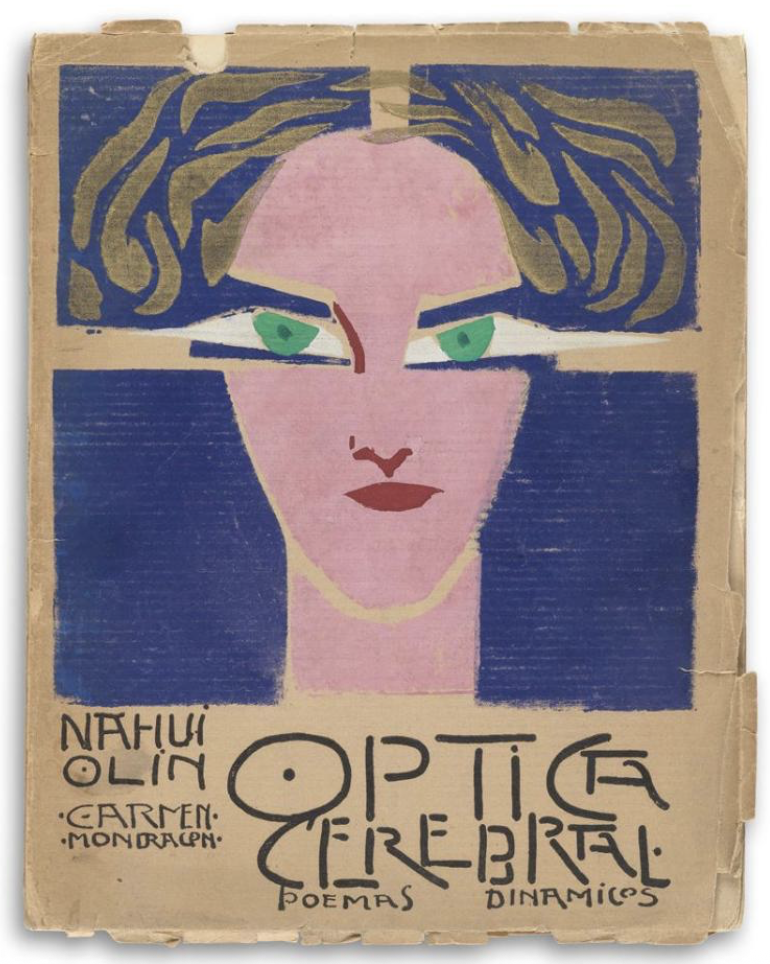
Above: Nahui Olin, Optica Cerebral (1922)
Photograph by Antonio Garduño
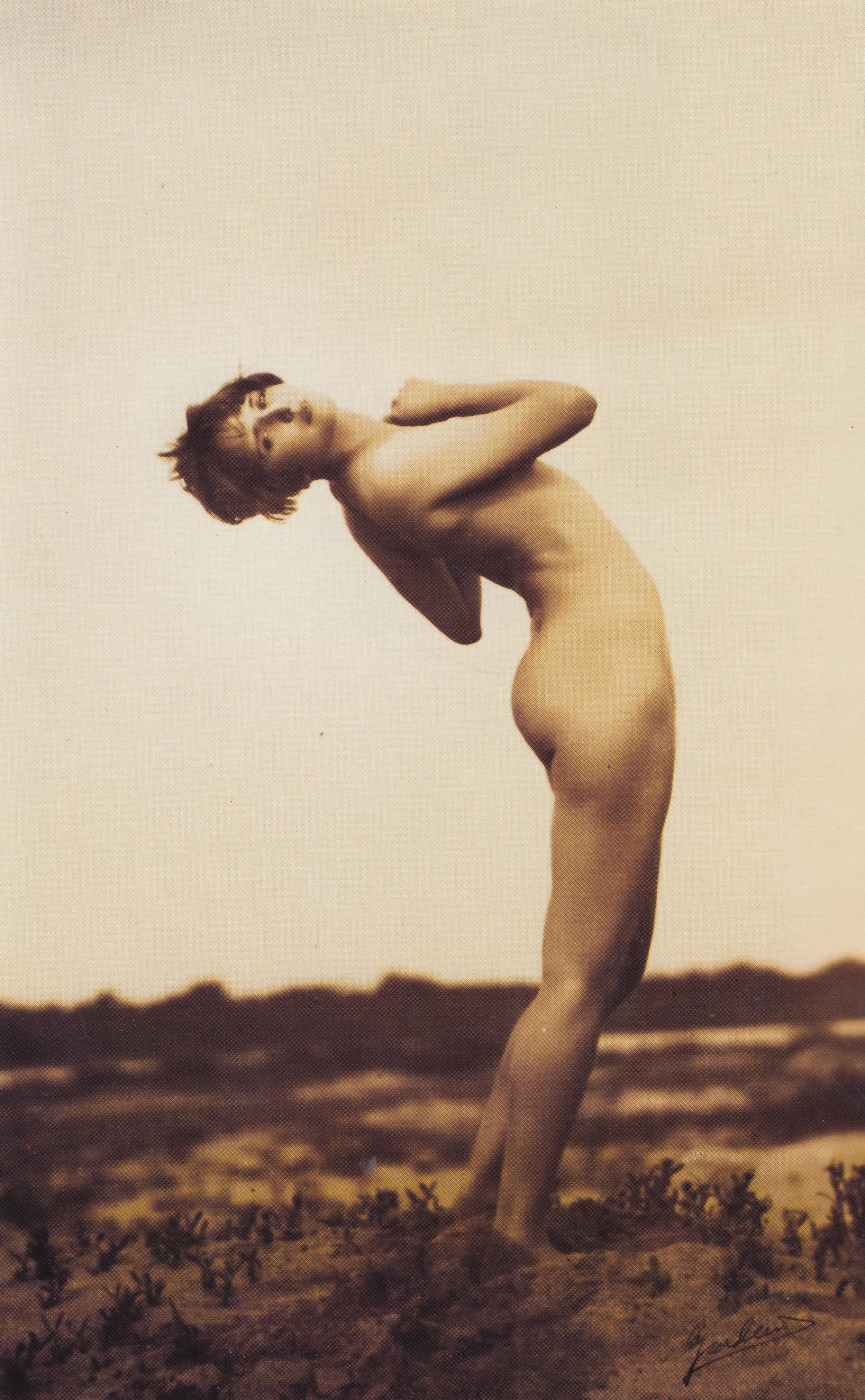
Nahui Olin, birth name, Carmen de Mondragón. I hear “mon dragon,” “my dragon” en Français, our dragon, fire that breathed itself onto me as I realised she’ll come and go as she pleases. When in her presence it's not fire she exhales, it’s lightning.
Essentially, Nahui Olin was rebellious. Her spirit and desire to unleash components of herself were turbulent. In a world where forces often attempt to disempower women that challenge society, it is the never ending disk of her force that means she always returns. The story of Nahui Olin reminded me of the plight of many: persons I read about, write about and constantly think about. The catalog of people who looked within themselves, conquering their individuality to survive difficult circumstances. To live fully is to learn to gaze inward and expand it, eternally. An oroboros, again and again, biting its tail in circles, rejuvenated and renewed.
Mi nombre es como el de todas las cosas: sin principio, ni fin, y sin embargo, sin aislarme de la totalidad por mi evolución distinta en este conjunto infinito, las palabras más cercanas a nombrarme son
Nahui Olin.
My name is like that of all things, without a beginning, nor and end. Yet, without isolating myself from wholeness through my distinct evolution in this infinite universe, the closest words to name me are
Nahui Olin.
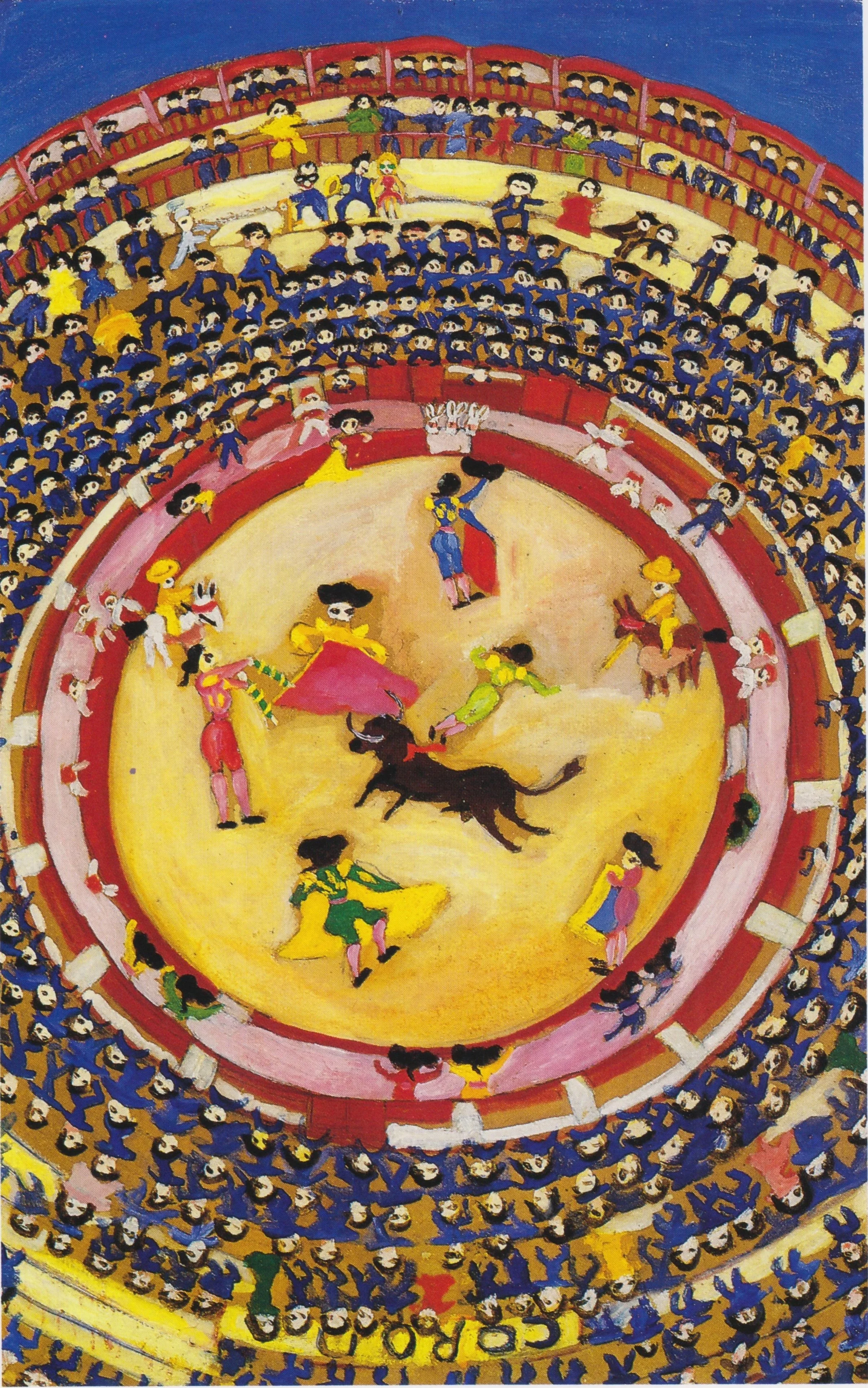
Nahui Olin Nahui en una corrida de toros (approx. 1924)
The words Nahui Ollin are a Nahuatl reference to renewal and the sun’s force: eternity. Nahui Ollin the words and Nahui Olin the person are a symbol of perpetual cosmic movement. A beautiful explanation of her chosen title appears in a pamphlet she self-published in 1927. Spending the 3 pesos she earned a day, sometimes going without food to be able to afford costs, she begins by criticising the de-humanising society that reduces living beings to enforced names, burying the importance of a lived presence and its energy to paperwork and filing cabinets. A rough translation of her words, “We belong to a beginning-and-endless realm that erases all classification, all identification. We are nameless particles that evolve perpetually,” distilling her belief that beings are just forms in progress.
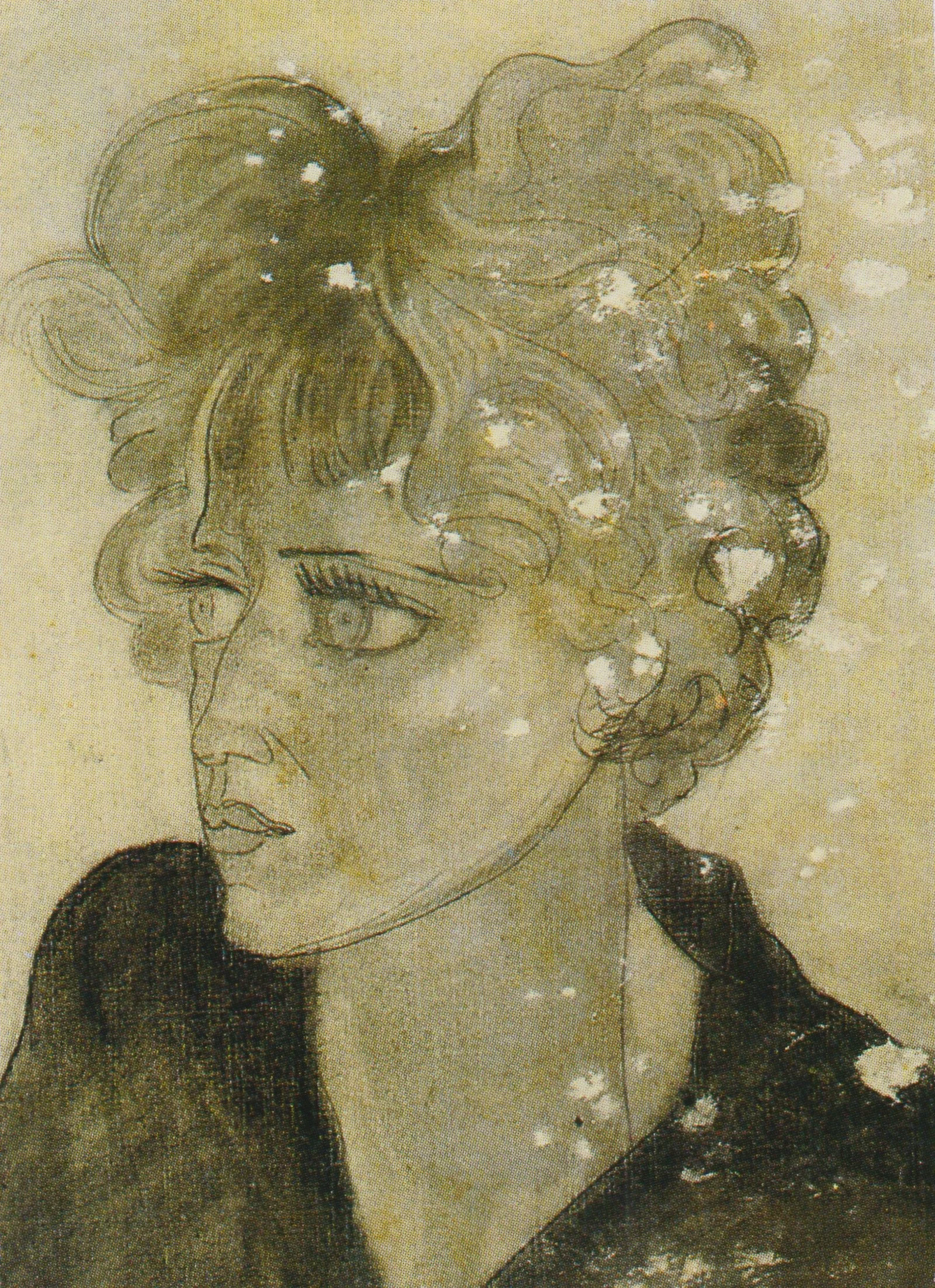
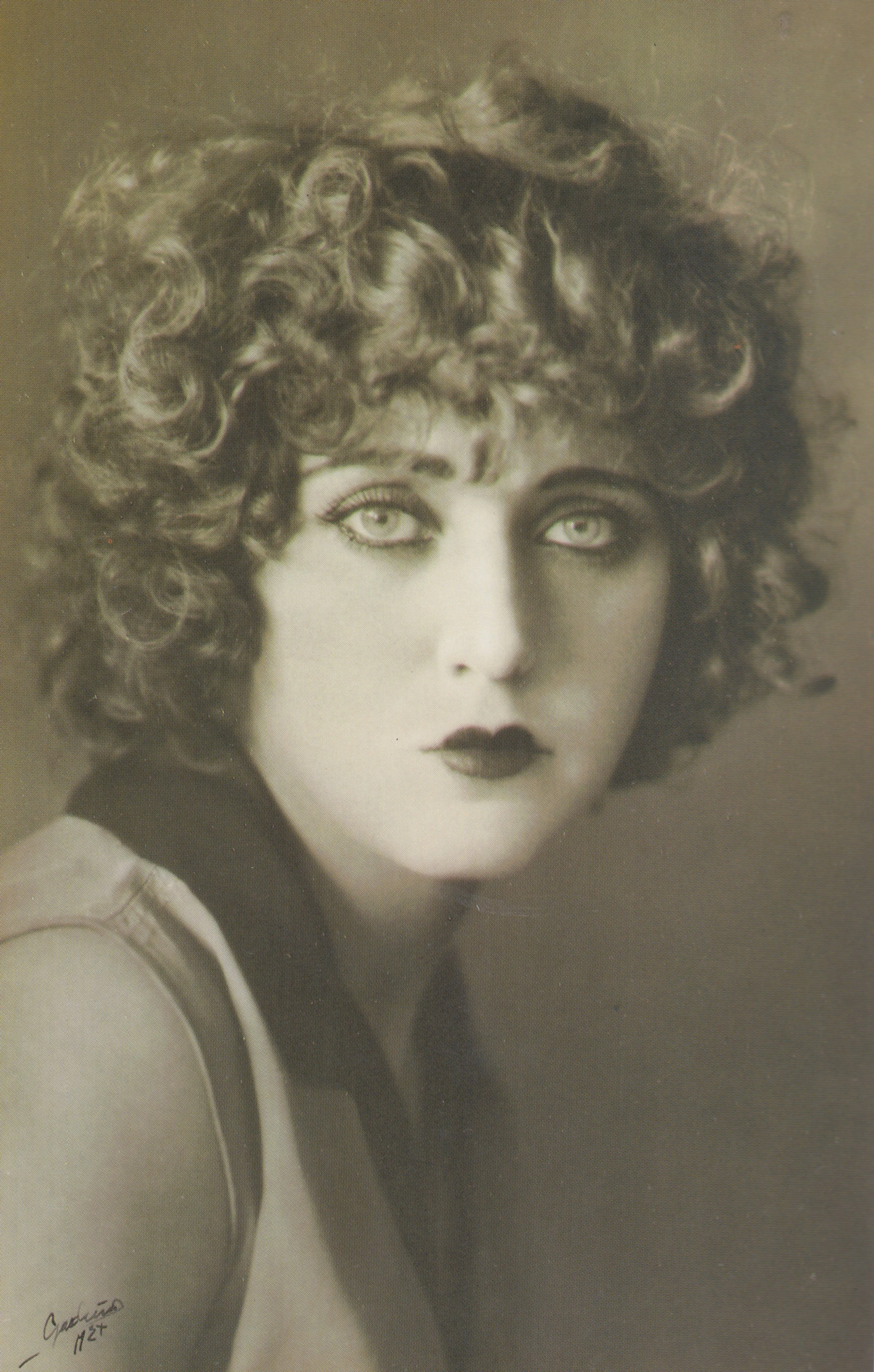
Dr.Atl Nahui Olin
photograph by Antonio Garduño
I’m uncertain about how to begin to cover this artist, poet and muse because a chronological recounting makes her feel out of reach. Chronology can’t circle back and Nahui always does. Every one of her actions had reverberations that then led onto their own story, one in which Nahui Olin was the breath and movement rendered eternal by ever combusting matter. Let’s start with the eye colour. Enormous, a haunting green. Piercing and prominent in each depiction of her. The first time I’ve seen an artist depict herself visually so marvellously that everyone attempting to immortalise her uses her own stylistic language. Each time she appears to us, her eyes become portals connecting us to her. In fact, fervent admirer Diego Rivera, immortalised her again in his seminal mural Dia De Los Muertos (1924.) Nahui’s piercing eyes appear between the figures of Lupe and Diego. My date and I looked for the pair of eyes that day when we set out to locate her in all landmarks. I still believe she was teasing us when we couldn’t find her.
Now we orbit from present day to 1992, the year she resurfaced. She was forgotten and then found again through an obsessive desire to understand a signed photograph, an enormous need to uncover who it had captured. In Nahui Olin, Una Mujer de los Tiempos Modernos, the catalog accompanying the exhibition held at el Museo Estudio Diego Rivera in 1992, Tomás Zurian recounts finding a photograph of her, dedicated to her lover, Dr.Atl, in his own archive. Though he kickstarted an international re-obsession with the muse, he also states his wish for other scholars to continue to count her stars. Describing the photograph that began his journey as a signal of his destiny, he states:
“...otros incidentes semejantes en los que mis encuentros extemporáneos con Nahui Olin siguieron dándose. Surgieron intuiciones, sobresaltos y revelaciones que fueron materializándose en datos concretos, informaciones rigurosas y en una seducción permanente.”
There were other incidents in which my untimely encounters with Nahui Olin continued. Intuitions, shocks and revelations arose, that then materialised into concrete facts, information and a permanent seduction.”
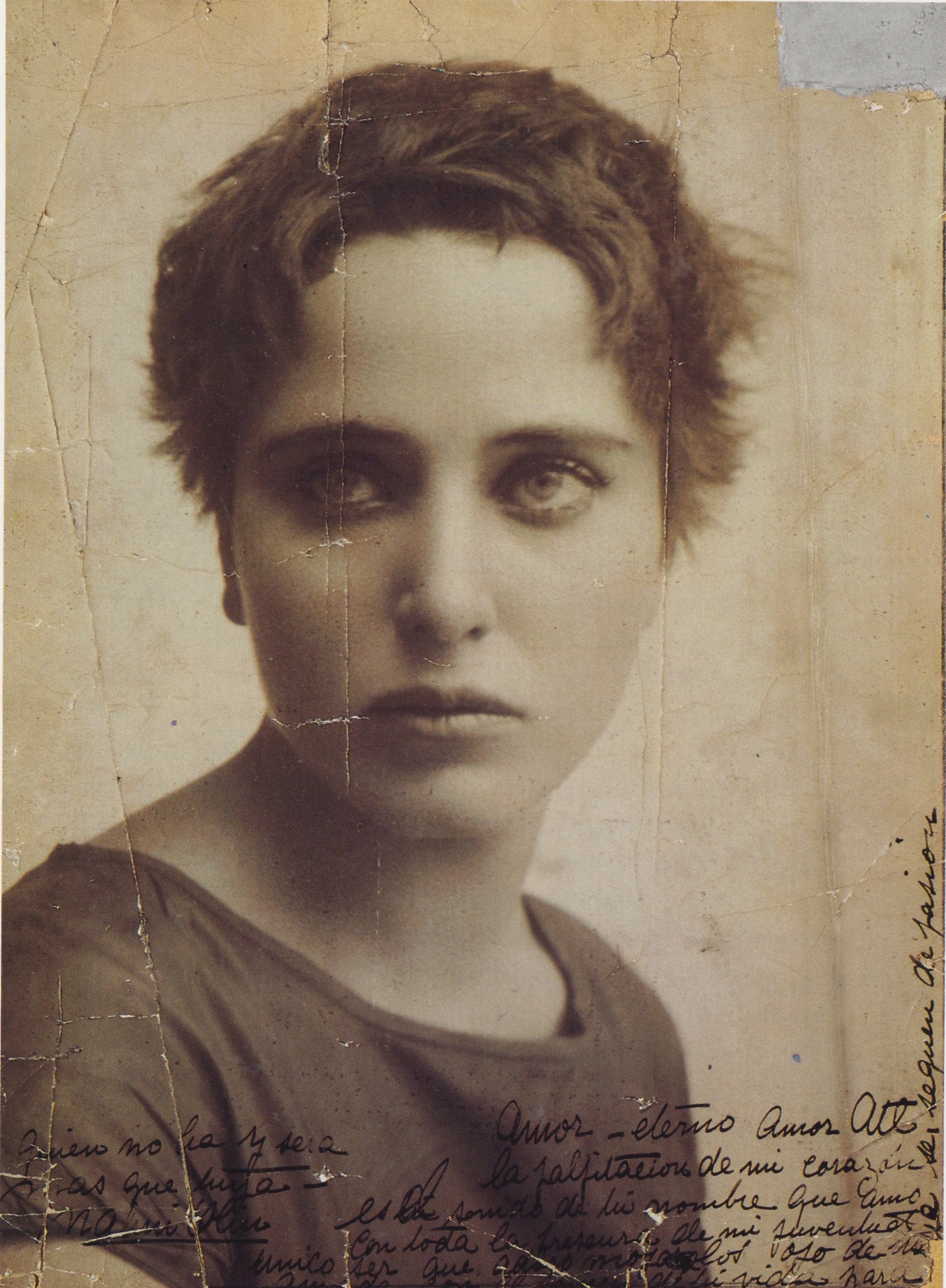
Photo of Nahui Olin, dedicated to Dr.Atl
Outside of her “physical” presence, or, I should say, the physicality of her energy felt within depictions of her, she always caused waves of good trouble. Trouble because it was received with anger, her contemporaries often tried to drown her voice. Good because, even though she was resting from her death in 1978 until 1992, condemned for a while as being the madwoman, they never could silence her the way they hoped to. It wasn’t until she acquired biographers in her afterlife that a redemption of her personal decibels were undertaken. “If her contemporaries condemn her, her biographers redeem her, not because she would have cared, but because we should.” (Teresa M. Van Hoy, Festering Fecundity: Nahui Olin, Revolutionary Woman of Revolutionary Mexico) Here’s what I found out from her biographers and the writers who, way before I even attempted to, had put fire to paper and explained what it was that had crashed into the world.
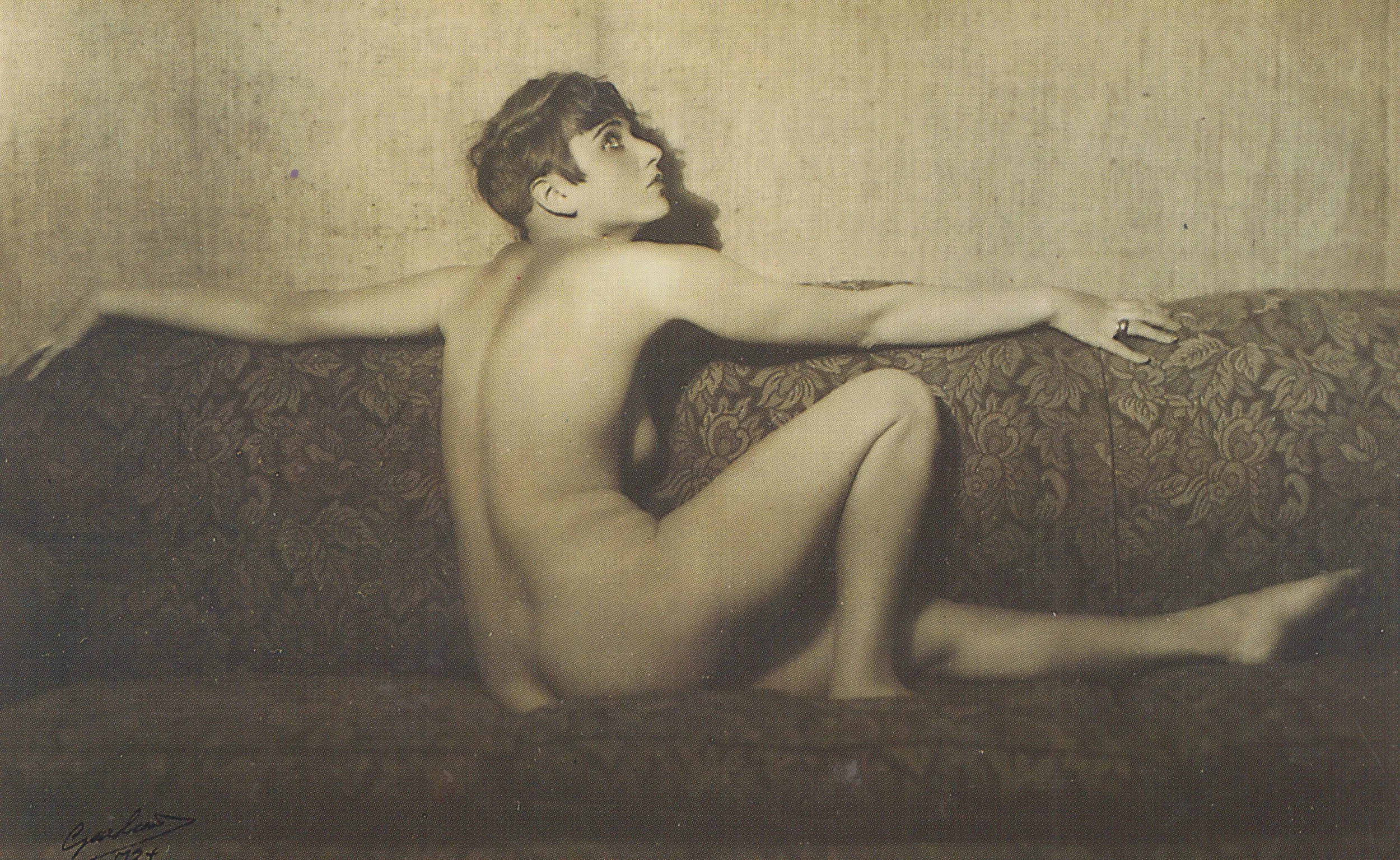
Photograph by Antonio Garduño
When she was a child, the Mondragón family lived in Paris. It was here that Nahui wrote her first pensées, later published as, Câlinement Je Suis Dedans (1923.) Monja Marie Louise Cresence, the Mother Superior working at the school, felt deep affection towards her precociously advanced student and safely kept the writing, aware, before anything had unfolded, that she was in the presence of something far too big. To her, the themes of spirituality and endlessness far surpassed gifts of other children she had taught. Later in life, when Carmen de Mondragón had changed her name to Nahui Olin, baptised as such by her lover, Dr.Atl, Marie Louise Cresence gifted it to him in affirmation that the world really, really needed to know the power of this person
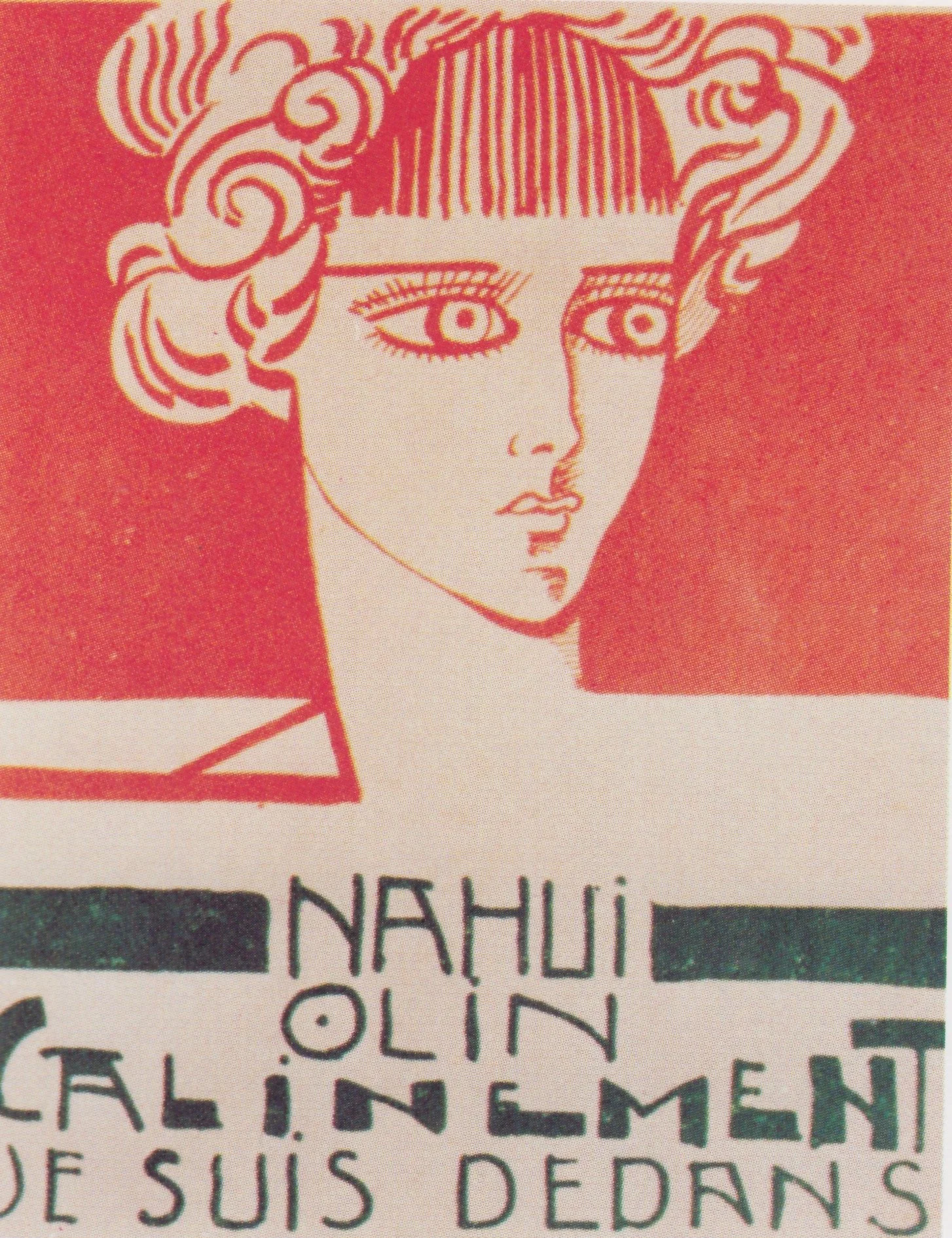
Nahui Olin, Câlinement Je Suis Dedans (1923)
Dr. Atl was a political activist, artist and volcanologist. Diary entries of his describe the rumblings happening within him when he first met Carmen. When Nahui Olin and Dr.Atl were together, their creative output skyrocketed: living with artistic communities, writing, poetry, painting… A pairing with Dr.Atl, the Nahual term for water, seemed almost unbreakable. The idyllic, creative rapport between both artists as they merged together came to crack dramatically. Their adoration made way for emotional violence and jealousy, as seen in episodes recounted by Dr.Atl (he once woke up to a naked Nahui aiming a gun at him.) Breaks would end as they found each other again, only to shatter once more. A fury was starting to grow within Olin, and people began to avoid it, or rather circumvent her. When Dr.Atl and Nahui Olin separated for the last time, both were exhausted and hurting.
The eternal Nahui continued to paint spectacles with vibrant colours, write and passionately love. Artists encountering her kept painting and photographing her. In 1927 she travelled to Hollywood with her then partner, artist Matías Santoyo. Film producer Rex Ingram wanted to make her a star. A studio shot nude photographs of her, test images that were aimed at establishing her acting career. These were later published in Revista Ovaciones. Nahui, with the force of her inner volcano, chose to put an end to things: though she had previously exhibited nude portraits of herself taken by Antonio Garduño (much to the dismay of her family and high society,) she maintained that her sexual liberation was not intended for profit. Featuring her in the nude as a selling point would render her an object of consumption whereas she was exploring the new woman. By posing nude, painting self-portraits, changing her name and writing about love, she continually tried to capture the brilliance of her cosmic essence. She wouldn’t let anyone transform her own evolution.
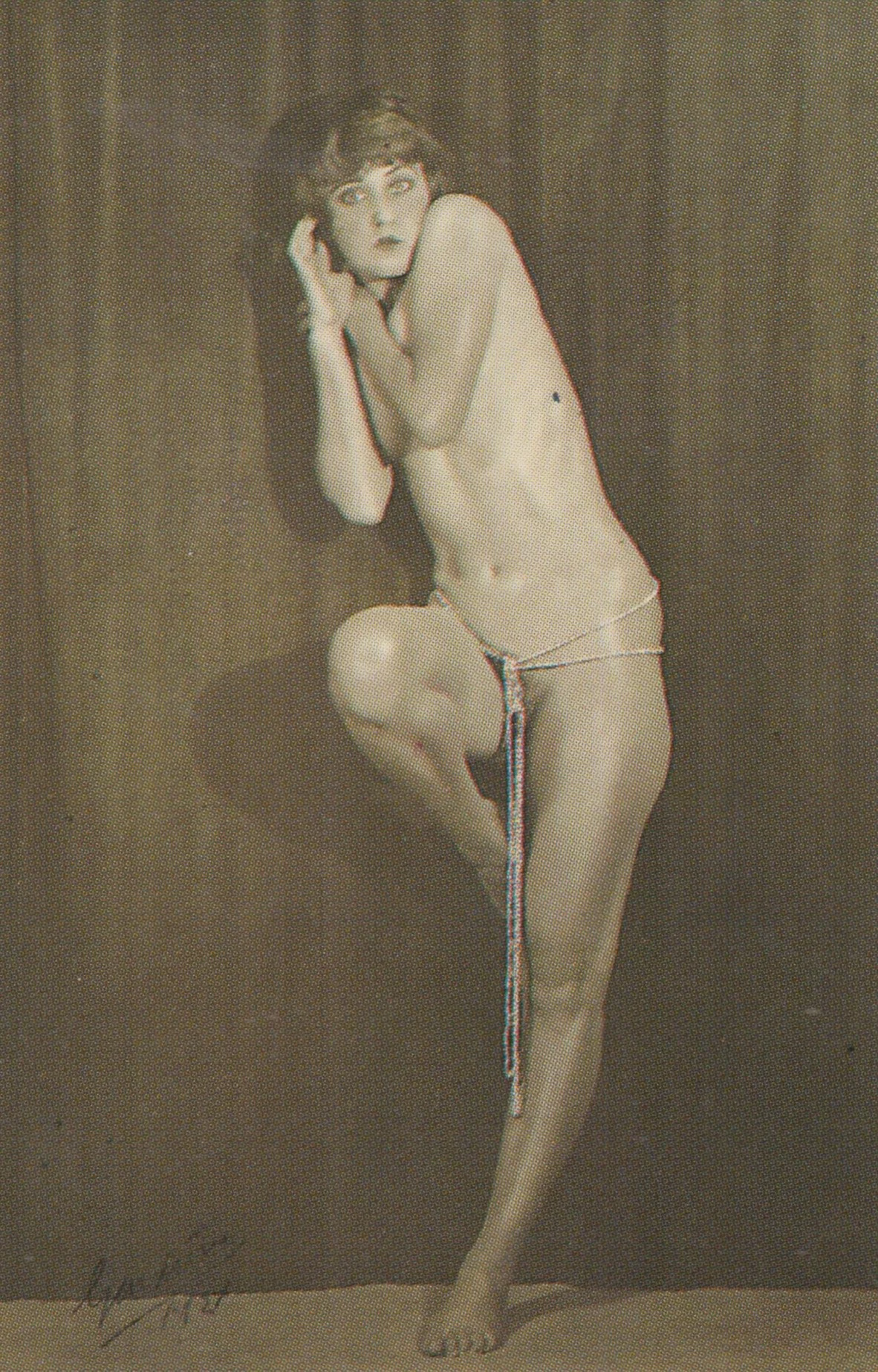
Photograph by Antonio Garduño
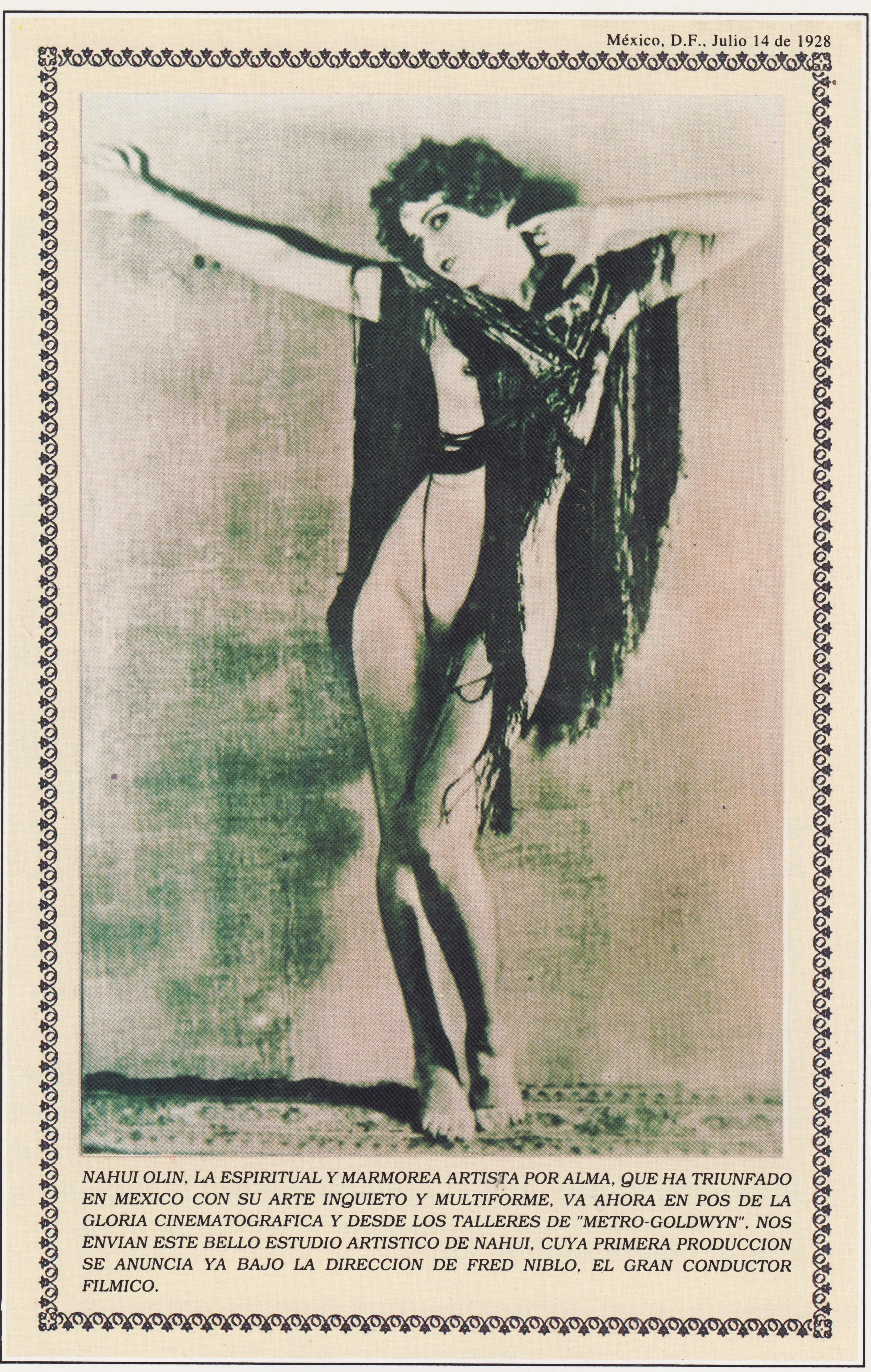
Nahui Olin in Revista Ovaciones
Then came her relationship with El Captián Eugenio Agacino, lasting 4-5 years. Paintings by Nahui around that time show a deep, joyous entanglement with him. His tragic passing may have been the catalyst for Nahui’s decision to isolate herself from human experience. In Veracruz, where she found herself at the time of his death, people would see her aimlessly wandering around the streets, often crying and other times staring into the distance. From then on, financial struggles were debilitating. Though her art was still recognised, fear of her grieving and isolated character meant an underrepresentation of her work. With sales slowing down, she became an art teacher in primary schools in Mexico City. Every month, on pay day, she would treat herself to her favorite lavish meal and spend her remaining money on the purchase of meat for street cats, creatures she tended to with love and devotion. The rest of her meals were acquired in shelters and charity aids. It is around this time that Nahui Olin stopped being documented as a popular figure. Facts relating to her are all collected from oral histories, gossip and hearsay. As she was beginning to evaporate from consciousness, people often mistook her “El Fantasia del Correo,” a popular legend depicting a sex worker roaming around the post office in Centro Historico in beautiful rags. Vitriol continued to build around her sexuality, and she was said to have an insatiable, monstrous sexual appetite, apparently harassing young men on public transport. It was also said she would roam the streets capturing men with the soul power of her entrancing green eyes. Some even spoke of her witchy ability to be with many different men at once.
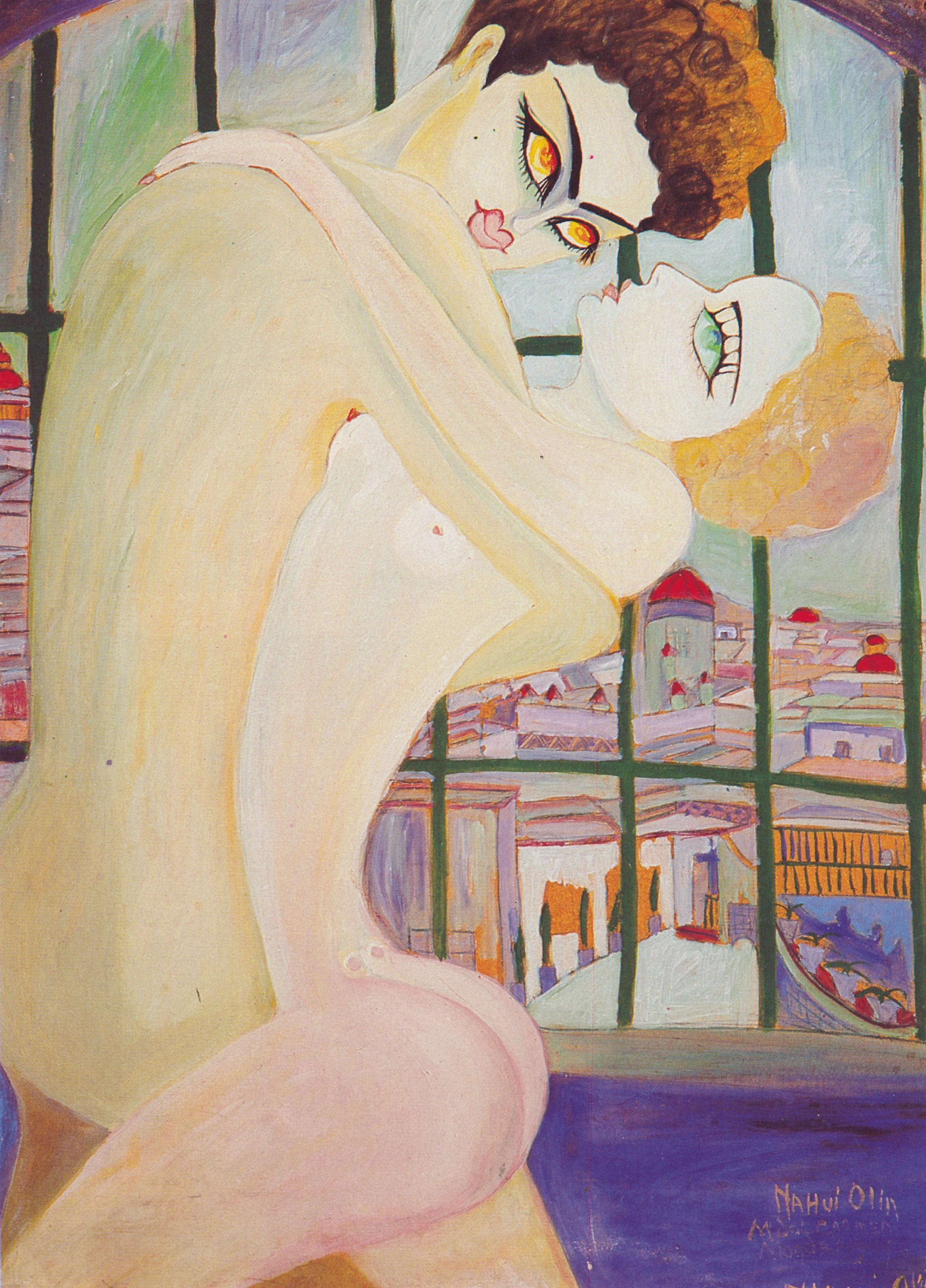
Nahui Olin El Abrazo
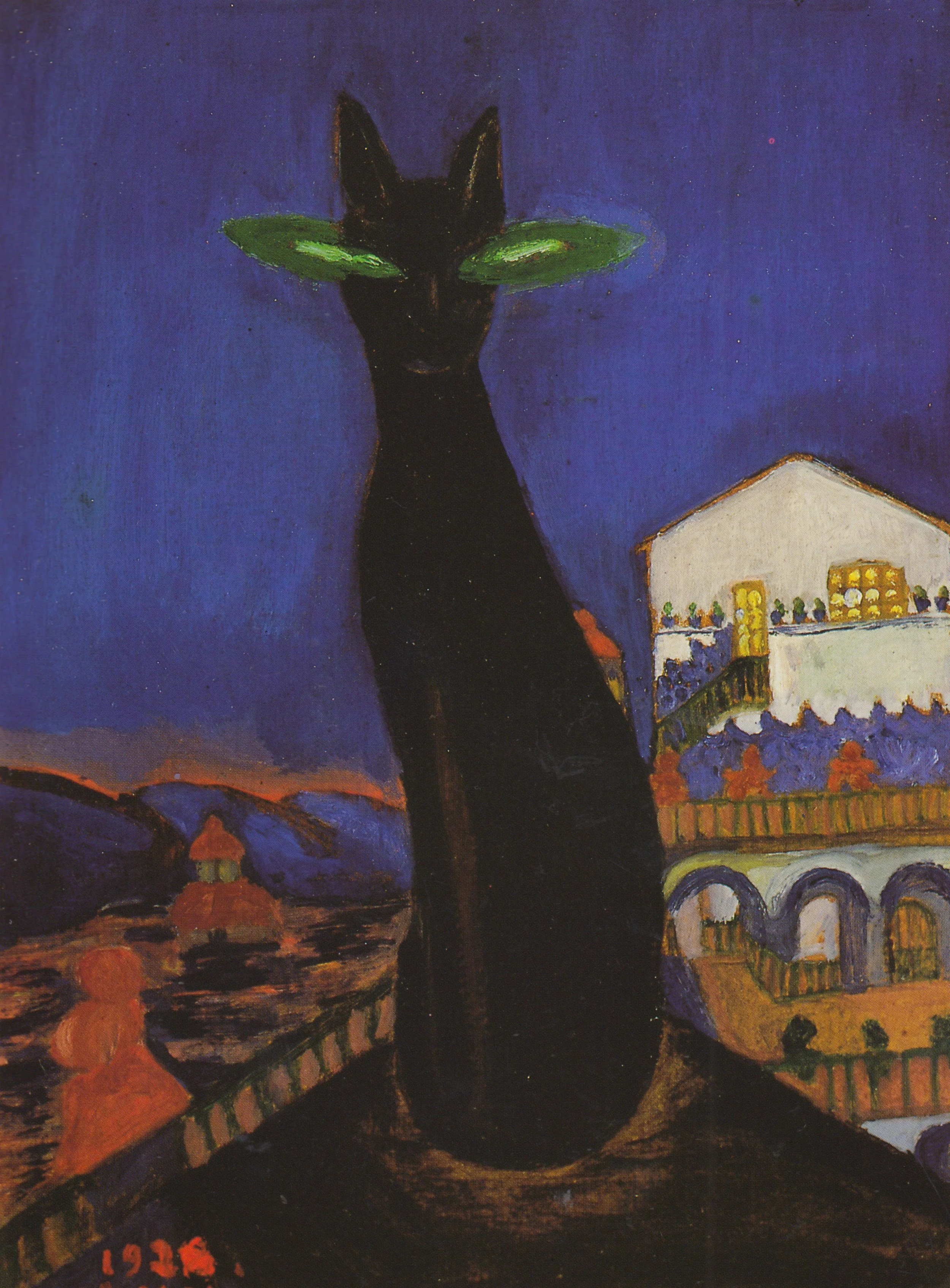
Nahui Olin Menelik
Artist Juan Soriano described her house as a “hallucinatory cave” giving him “experiences that I still treasure today.” Her home was filled with taxidermy, as she kept the beloved cats she had fed, also creating a quilt made of the skins and heads of her treasured friends. People say lightbulbs would switch on at the mere touch of her hand. Creative expression continued to be her salvation and she kept evolving with it, forever condemning stagnant waters.
The easiest way to look at this story would be to consider her fate as a slow decline of beauty and youth. Her biographers, partakers in her endless cycle, speak of it more as her own convictions: rejecting the comfort and riches of her family, refusing to coexist with things she didn’t believe in. Sticking to the inevitable anonymity and misunderstanding of her path were her decisions. Taking control of her own story, silently and alone, had her labelled as insane. It could only be madness that was was responsible for deciding her fate. Legend has it that in her 70s she would claim responsibility for sunrise and sunset, it was she who moved the sun.
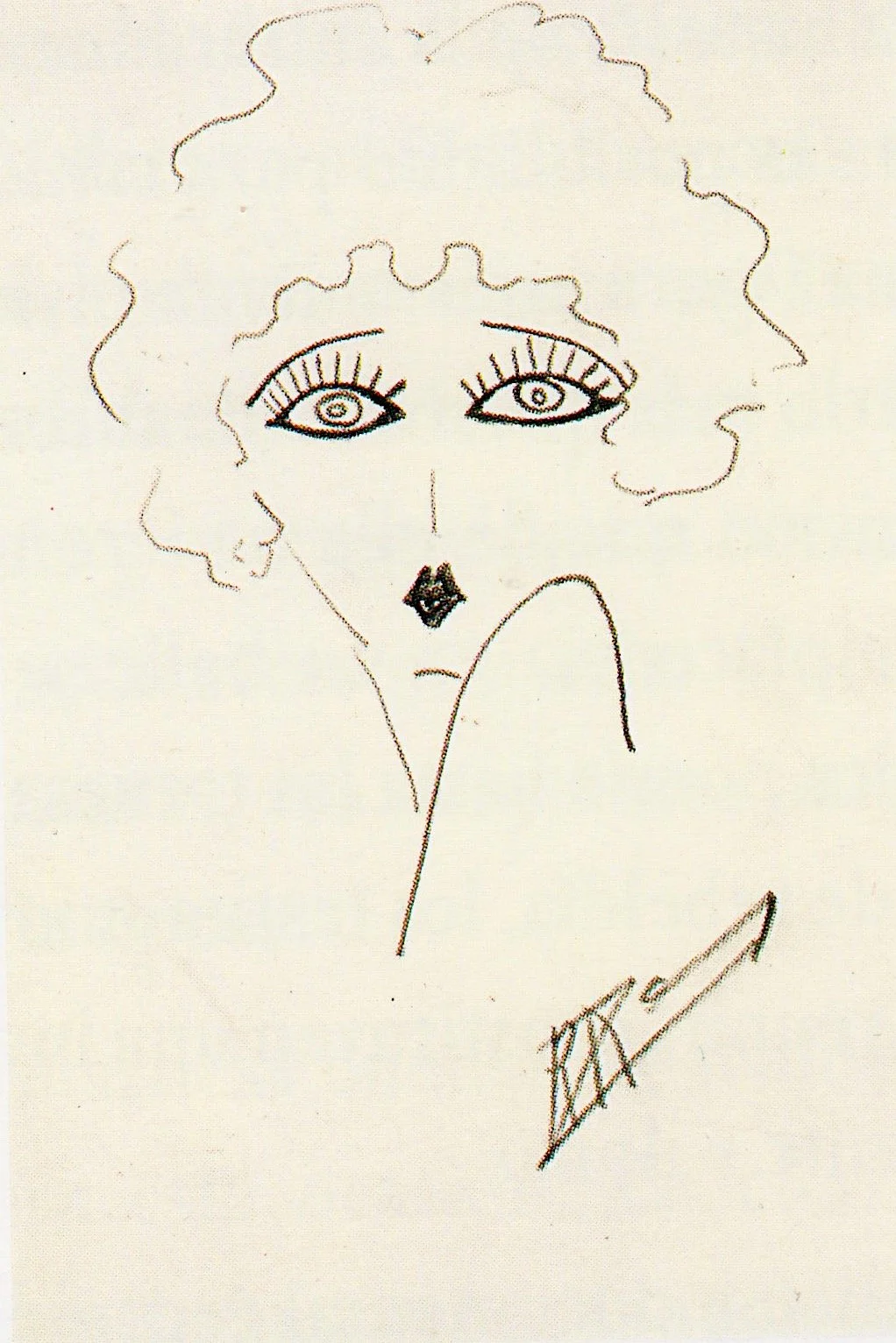
Nahui Olin by ‘RAZ’
She left her body on the twenty-third of January 1978, aged 85. Her eyes sparkled wildly until her very last days and it is said a green veil of light lifted off of Mexico City following her last breath, “Without an obituary.” (Teresa M. Van Hoy, Festering Fecundity: Nahui Olin, Revolutionary Woman of Revolutionary Mexico)
Nahui le dijo a una de sus sobrinas ¿Sabes que? Ya no me voy a morir.” Y tenía razon. (Nahui Olin, La Mirada Infinita)
Nahui Olin said to one of her nieces, “you know what? I’m not going to die.” And she was right.
A portrait of her by Edward Weston adorns the cover of Like Son, a novel by Felicia Luna Lemus. In the story, a photograph of the muse plays a central role. Elena Poniatowska wrote about her, again and again. Nahui Olin is the best. There, I said it. Present tense because she’s managed something very few have had the nameless power to. Nahui Olin was never asking for recognition or permission from the masses, nor was she wanting to be admired. She was constantly searching and finding ways for her soul to culminate to full realisation. The radiance of her own colour palette burns on and carries her. All can feel her in the amphitheatre at San Ildefonso, in the other murals, in her paintings, in paintings of her, in the photographs of her, in her poetry collections: the endless woman vibrates on and on.
¡Que me importan la leyes, la sociedad, si dentro de mi hay un reino donde yo sola soy!
Why should laws and society matter me, when inside of myself I rule my very own kingdom!
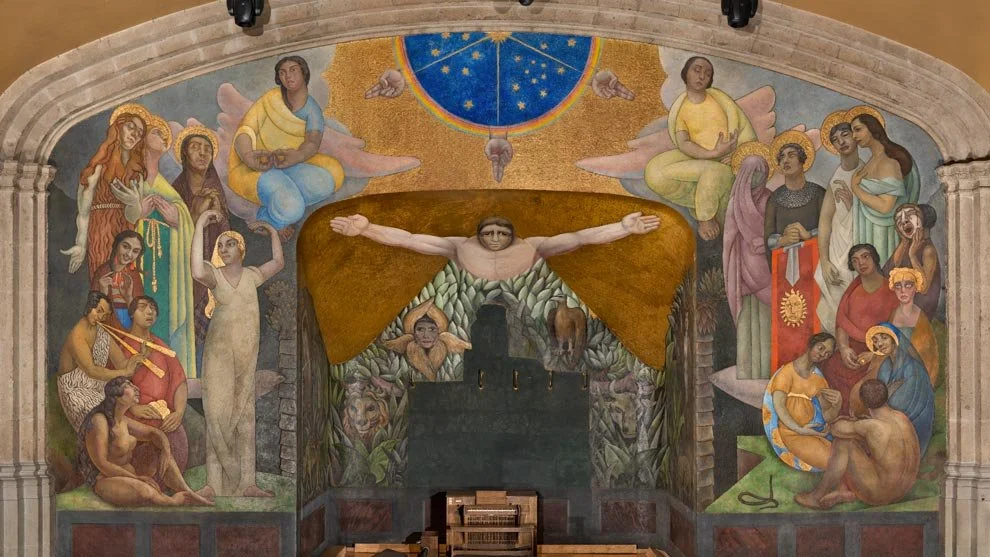
Diego Rivera La Creación (1922) Ricardo Alvarado/AFMT/IIE/UNAM
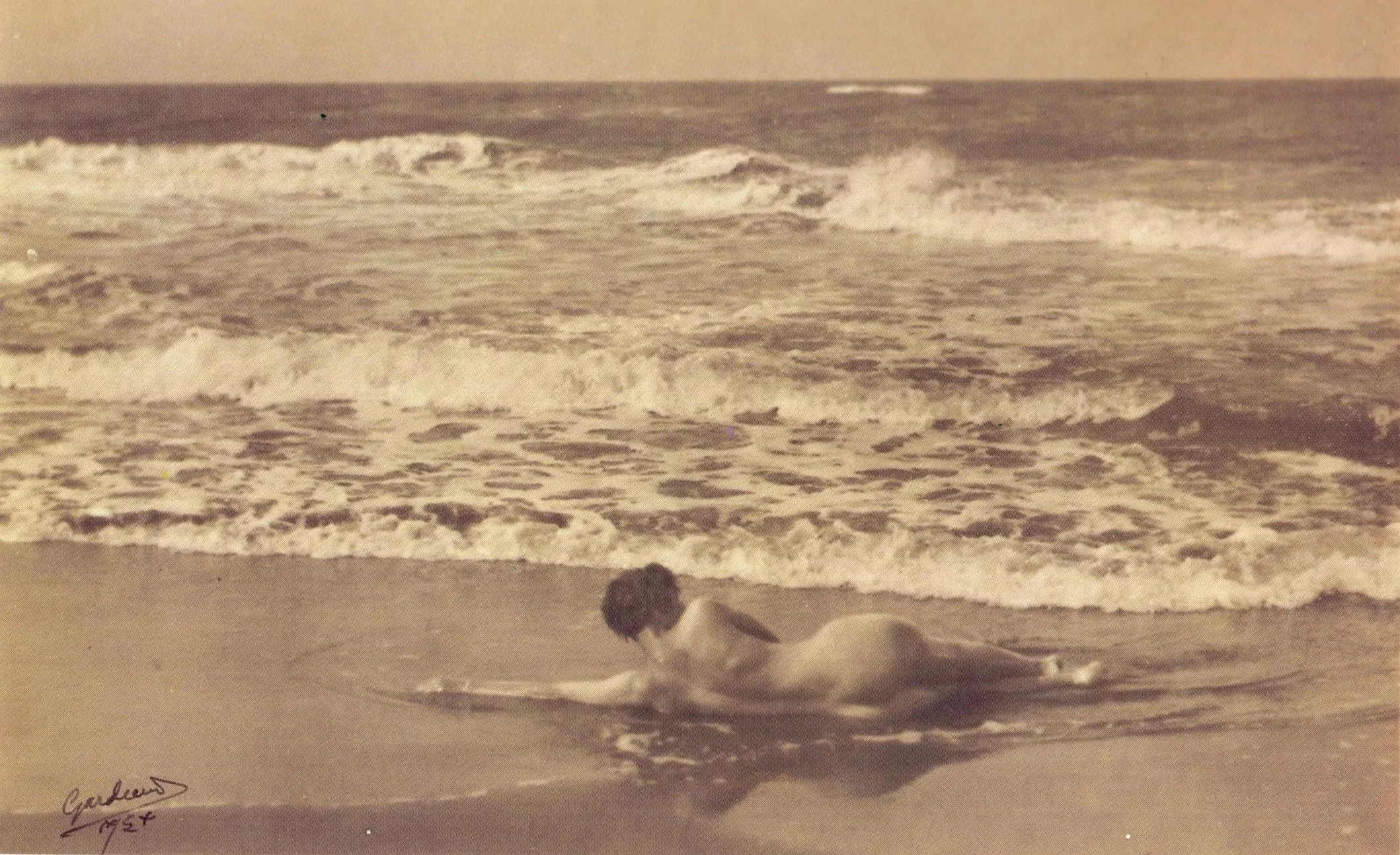
Photograph by Antonio Garduño
All images from: 'Nahui Olin, Una Mujer de los Tiempos Modernos' [Instituto Nacional de Ballas Artes, 1992. Mexico.]
unless otherwise stated
words and translations: Alexia Marmara