Mother and Daughter, or the Night is Never Complete
A documentary by Lana Gogoberidze about her mother narrates the life, times and magic of the forgotten Georgian filmmaker
The images used throughout this piece are stills from the film Mother and Daughter, or the Night is Never Complete (2024 | dir. Lana Gogoberidze.) [Additional credits at the bottom of the page.]
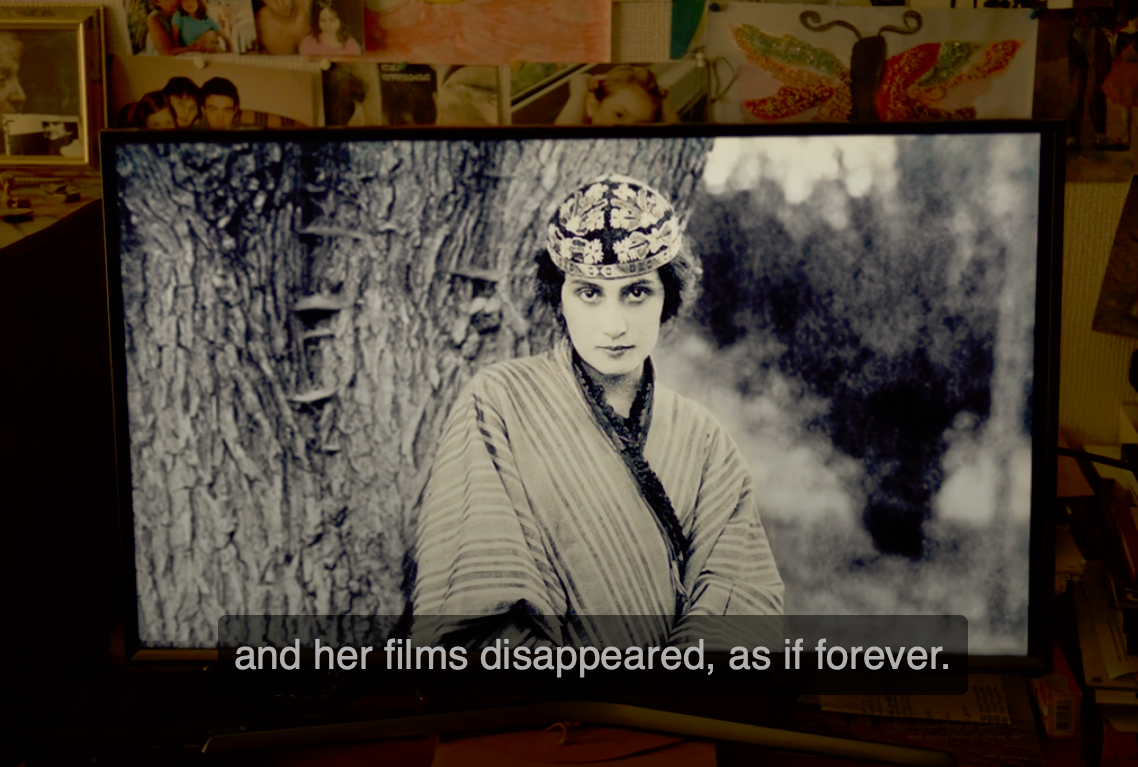
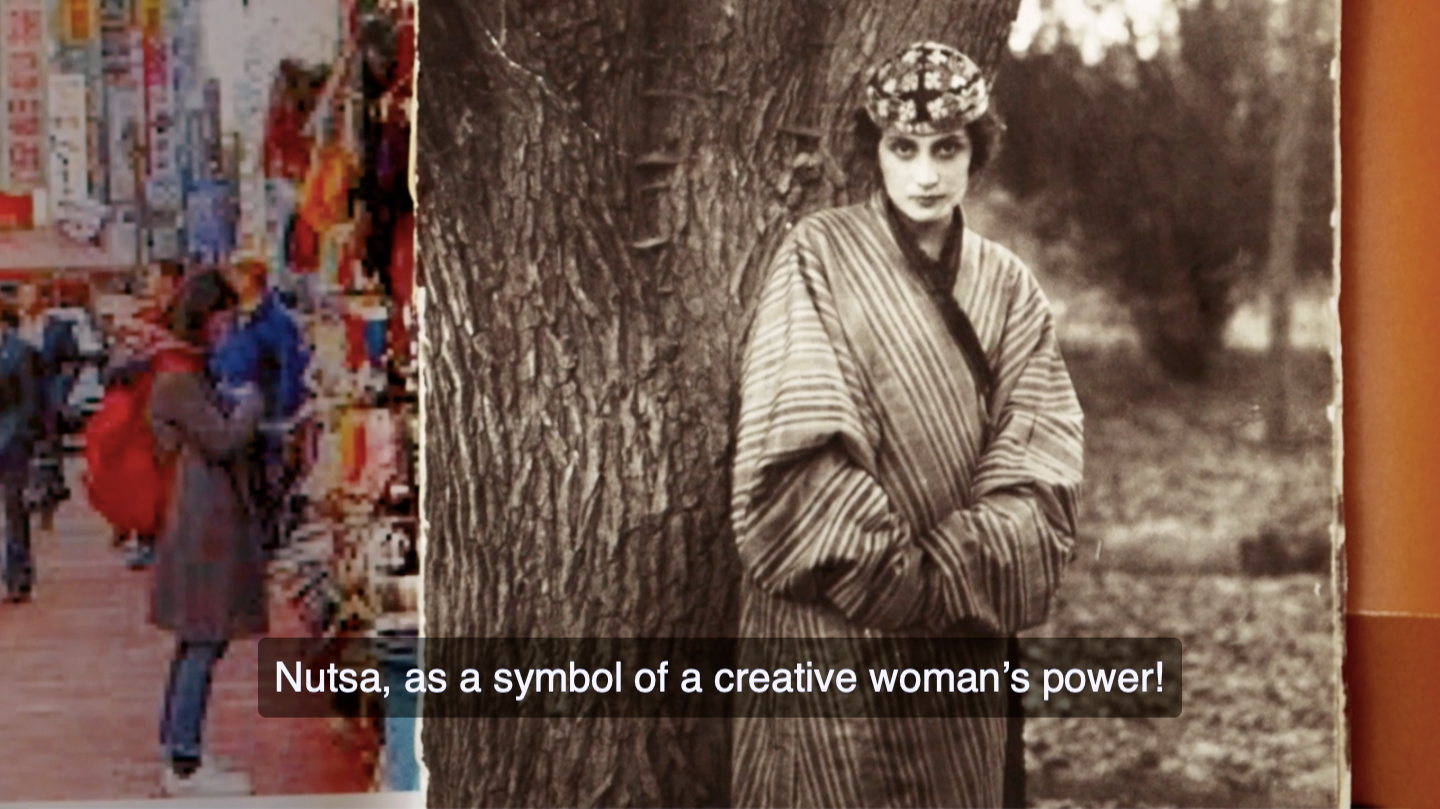
“And now I, her daughter - a filmmaker, 93 years of age - am telling the story of the life of one forgotten woman and her forgotten films.” The voice of Lana Gogoberidze serves as a gentle companion throughout Mother and Daughter: Or the Night is Never Complete (Deda-Shvili an rame ar aris arasodes bolomde bneli, 2023.) The film is directed and written by Gogoberidze and is co-directed by her own daughter, Nutsa - also known as Salomé Alexi. The film speaks of separation and encounter and the life of Lana’s own mother “Nutsa Gogoberidze, the first female filmmaker in Georgia.” Narrated, throughout, by Lana herself, Mother and Daughter centers her mother’s two films Buba (1930) and Uzhmuri (1934), the life before and of forced imprisonment and the filaments of hope and rediscovery that bind the three generations together.
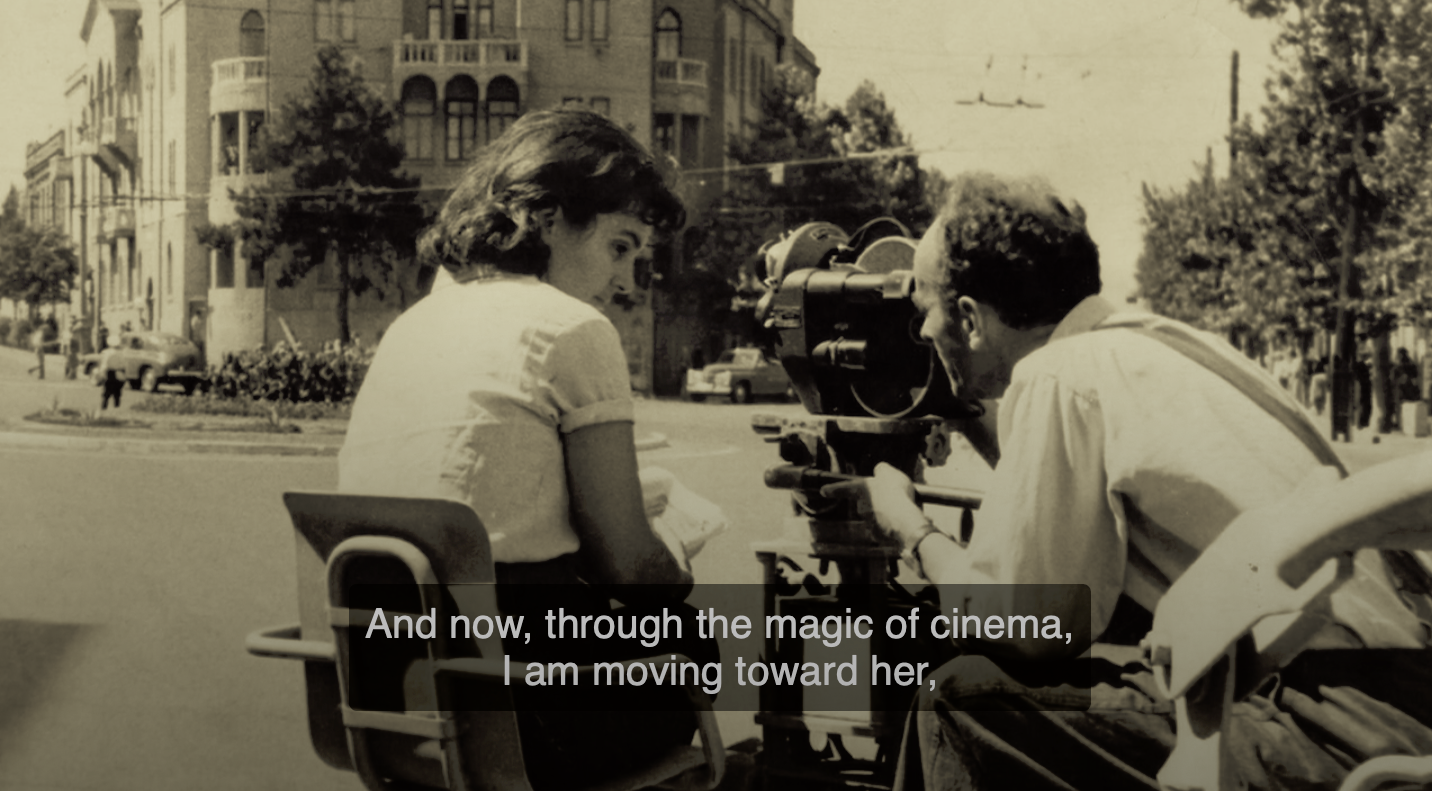
The film is divided into five chapters which meld archival documents and films from her mother’s life as well as Lana’s own filmmaking and memories all peppered with the present, one that bursts with behind-the-scenes footage of her own daughter, Salomé Alexi. The first chapter, Tears of a Child, grips us immediately “Here the first strange coincidence [associated with my mother] occurred.” Whilst filming Lana’s A Golden Thread in 2018, they had located an old abandoned flat in Sololaki. “While rearranging the flat, a strange feeling haunted me the whole time,” until she realised it had belonged to a famous poet and her parents’ treasured friend. Lana had often been in these rooms as a child, and with her mother now gone “fate or cinema has brought me back here to shoot a film.” Thus begins a spillage of the magic forever binding mother and daughter, daughter and mother and the daughters that will continue to follow.
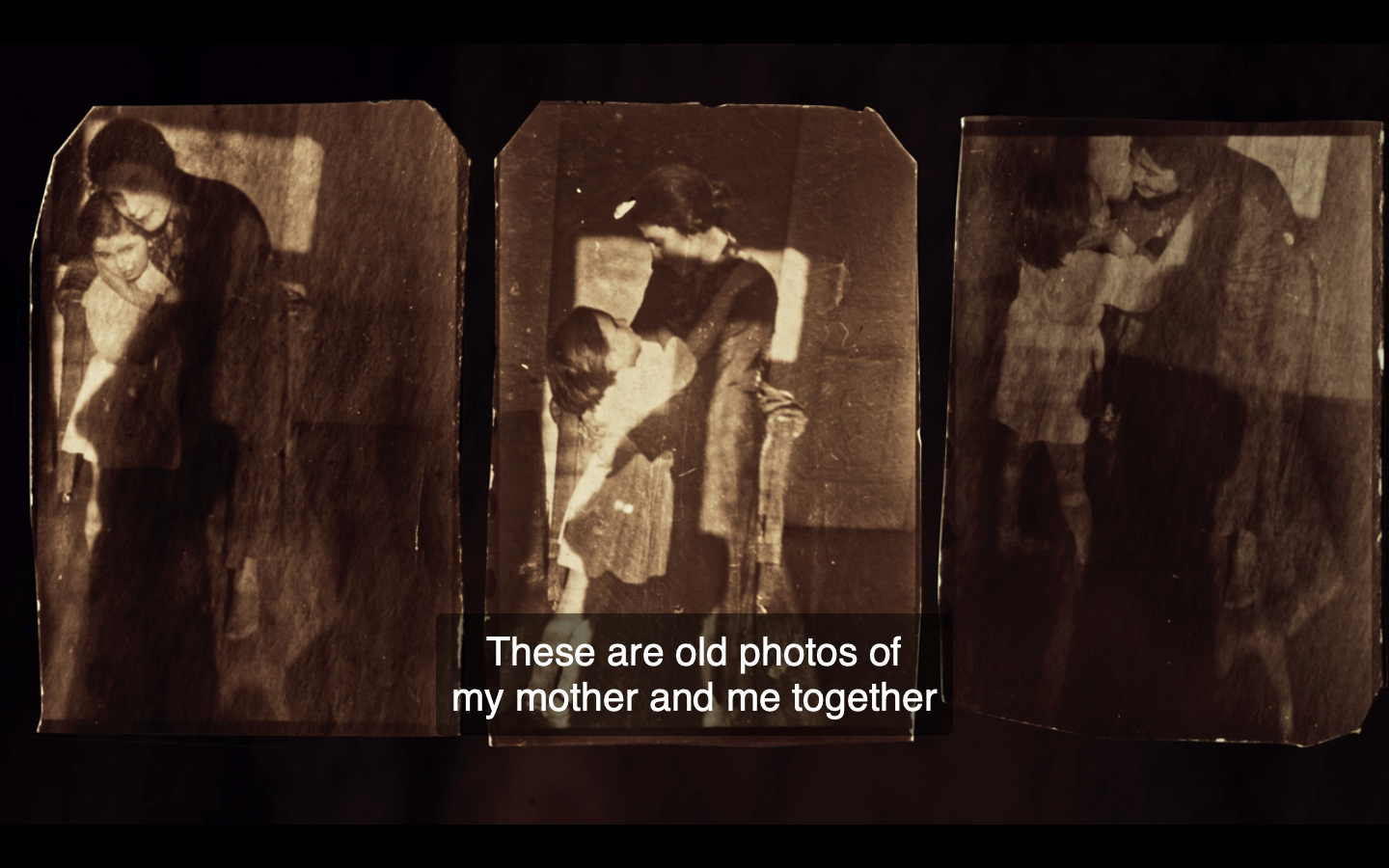
“Cinema [is] the bridge that connects me to my mother. And now, through the magic of cinema, I am moving toward her whom I lost for ten years of my childhood.” The narrator’s velveteen voice remains uninterrupted throughout, as memories, present day, history lessons and poetry place the monumental foundations of the film as well as a journey that continues to unveil itself whist we watch and listen, in stillness and fascination, as questions are asked and simultaneously answered as the documentary uncoils. Spearheaded by the opening of a box of photographs belonging to her grandfather, Lana begins the telling of her mother’s past. We are acquainted with, and charmed by, photos of Nustia. For decades these were the only proof that she was a film director. The first Georgian female film director.
This photo reminds me of a story told by my mother. We are at the station. My mother is leaving to shoot a film. While saying goodbye I am bitterly crying. An old man approaches my mother: “Are you going to do anything that’s worth this child’s tears?” It’s been 90 years, but still I wonder: what was my mother going to do? Was it worth a child’s tears?
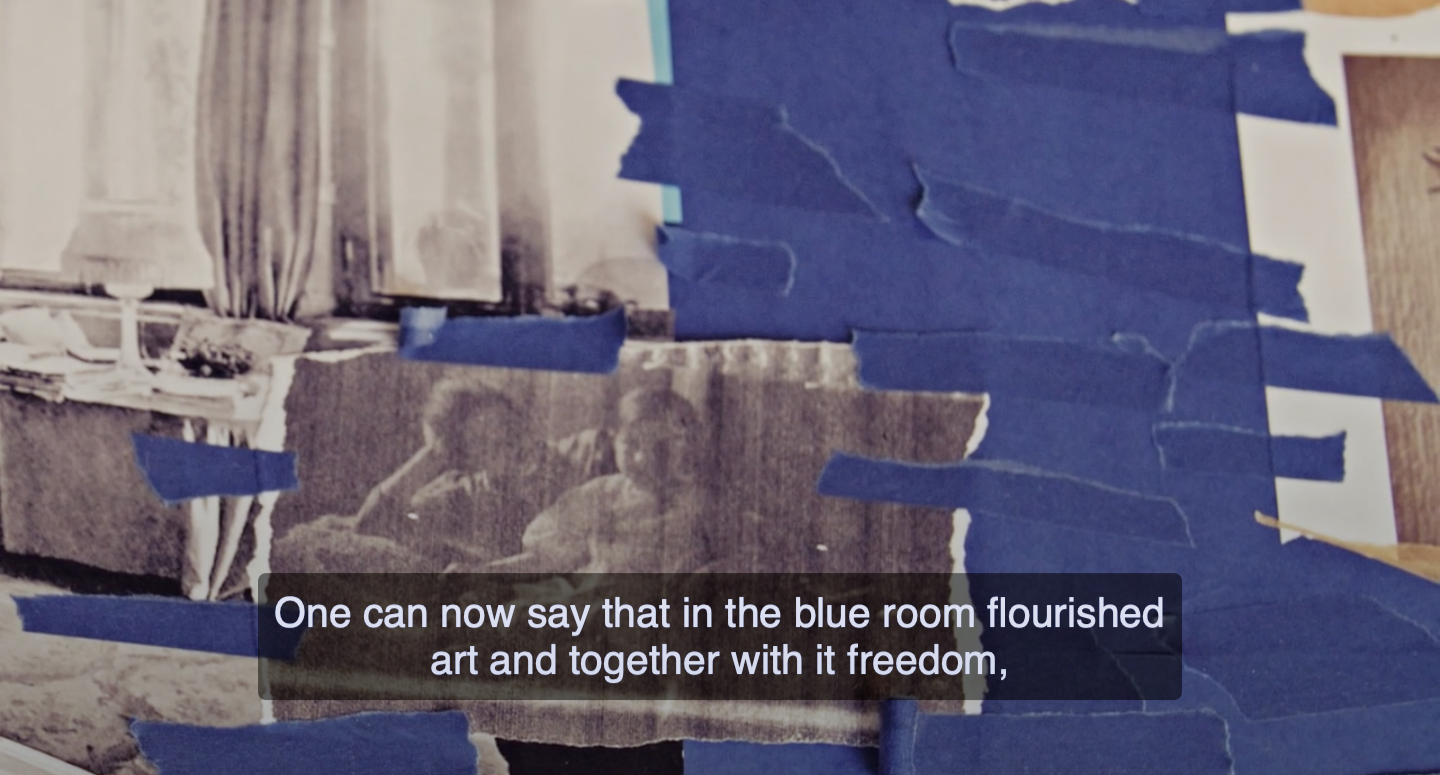
Chapter 2, The Blue Room, places Nutsa in her very own artistic, creative and trailblazing context. We find ourselves in a room painted blue, “an odd choice at the time” in which music and dance feverishly took place and ideas bloomed. It is during these joyous times that Nutsa “fatally chose a man with revolutionary ideas as the love of her life.” The viewer is walked through a child’s confused understanding of constant arrests, movement and displacement, “and despair forced me to write my first poem.”
So, our life flows along the boundless paths of memory and forgetfulness.
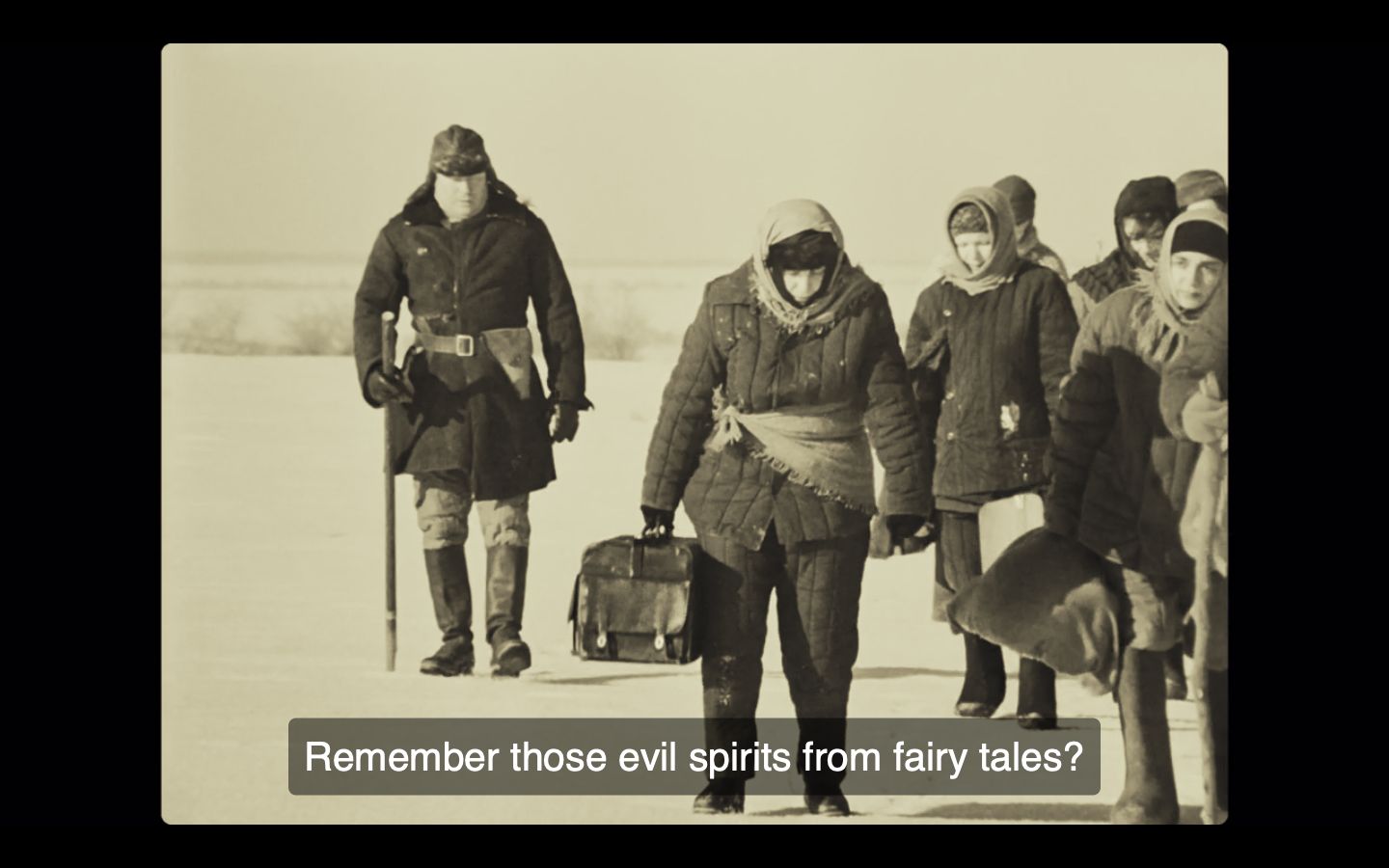
Chapter 3 is titled Gulag is my Country. Nutsa Gogoberidze was arrested without trial or indictment, simply because she was “a family member of the enemy of the people” and was deported. “Gulag is my country, I’ve lived here for 10 years.” Lana shows photographs of herself as a child, then far away and estranged from Nutsa, wearing a dress her mother knitted for her. In camps, women sought ways to distract and would unthread clothes “inherited from their former lives and knit gifts for their children.” When Lana outgrew it, she still wore it as a blouse. [A recent conversation with Salomé Alexi reveals the dress no longer exists.] Footage from Lana’s film Waltz on the Pechora River (1992) accompanies the sorrowful recounting of Nutsa walking from camp to camp in -40’C cold with the imaginings of conversation with her daughter as the last, small fibre of hope during this unimaginable series of forced journeys. This imagined discussion with her Lana reads as a harbinger of the way their creativity and vitality were to be forever wreathed with each other. When released, she wrote two stories, On Foot From Adzva Vom to Kochma and Waltz on the Pechora River which inspired and guided the making of Lana’s film by the same name.
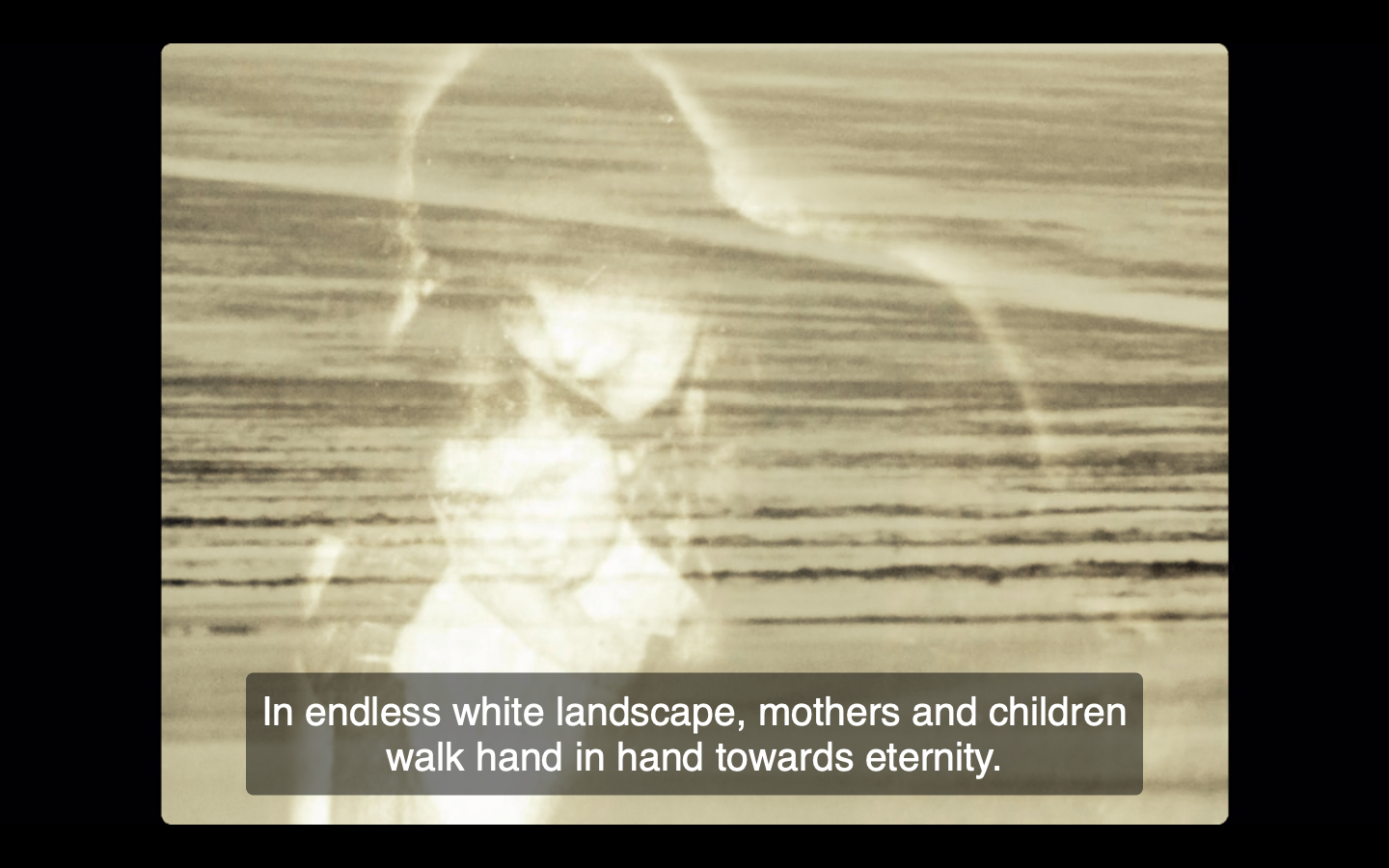
“[A] dance… so deeply imprinted in my memory, the one I danced with my mother in a previous life. Maybe that dancing is forever connected with my happy childhood. The theme runs through my films. Whilst filming these episodes, I always had my dancing mother before my eyes. Now I am no longer sure: was this dancing real or did I see it in my dreams? Mother and daughter dancing together, as a symbol of being together.”
Ten years have passed when we begin Chapter 4: Return, or the Blue Room Again. “My memories gradually lost their clarity, even my mother’s face started to fade. And finally, the day of her return arrived.” This momentous part of Lana’s existence is captured and retold in her film Some Interviews (1978), for which she cast Nutsa’s great friend Ketusa Orakhelashvili to play the role of her mother, a woman with no previous acting experience but an existence marked with loss as she too was sent to the same camp and was a victim of the multiple confiscations of loved ones at that time. “The idea to repeat shots came to me whilst editing. It was like how it happens in our real life, the most memorable events constantly repeat in your memory.” Harrowing snippets of the film play over and over, distilling the disorientation of beginning life again after 10 years in exile. Yet hope springs as we hear of the reuniting of friends and family and their unconditional support of a woman so loved. A new life began for Nutsa, and as she gradually readjusted, she became the editor of The Explanatory Dictionary of the Georgian Language.
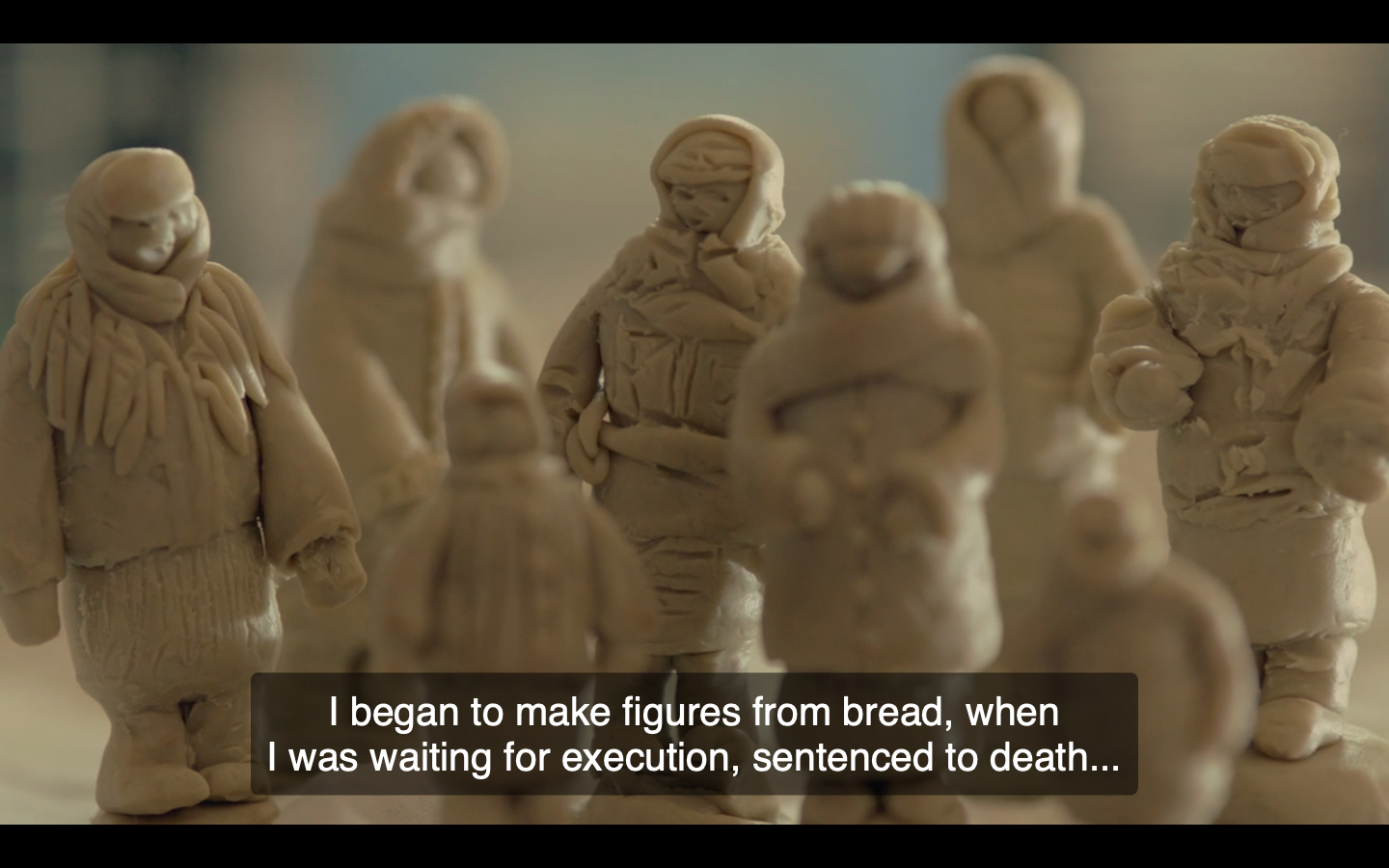
But the Gulag still remained in her memories. She frequently sat apart and sculpted figures from bread. ‘This is what we were there, these ugly creatures,’ she once said to me, smiling. ‘I began to make figures from bread when I was waiting for execution, sentenced to death…’ It was amazing, since my childhood, I had also been making figures out of bread. There was something mystical in this coincidence. Mother, a prisoner, and me, a schoolchild, both doing the same thing.
With life somewhat beginning again, and Nutsa accompanying Lana on the creation of her own films, mother never spoke to daughter, or anyone else, about her own filmmaking. She passed away at 63, saying to her daughter: “Don’t worry, my dear. What truly matters is that I spent the happiest last years of my life with you.”
Now, my mother’s granddaughter - my daughter - Nutsa, is making films. So, by chance or destiny, we are bound to each other. Mother-daughter, mother-daughter.
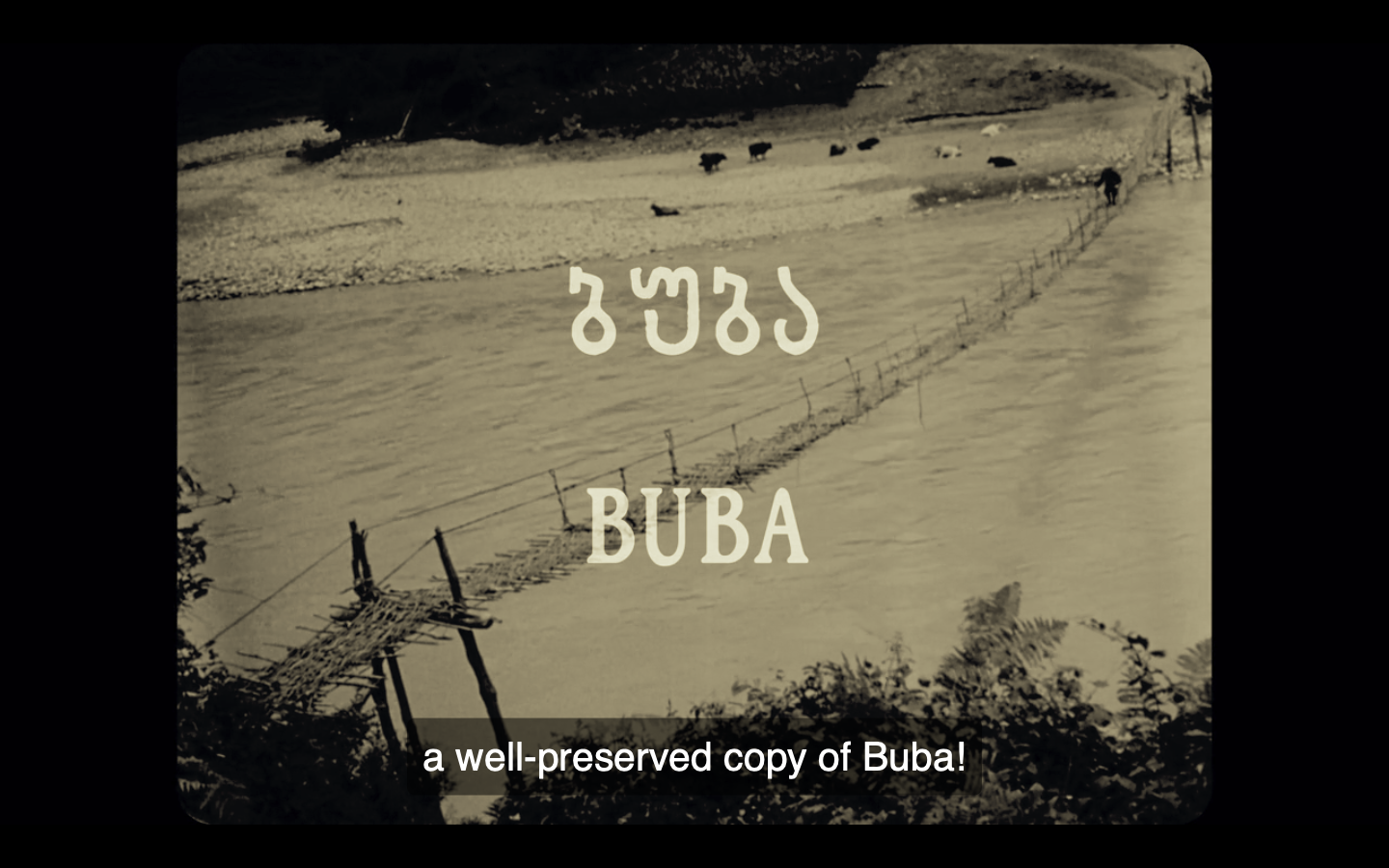
The Second Return, the final chapter of Mother and Daughter, begins with Lana freezing the waves of time’s movement. Years passed, the Berlin Wall crumbled, the Soviet Union Collapsed, Nutsa’s great-grandchildren were born, “life went on, but I never stopped pondering about my mother’s films. We searched everywhere in film studios, in various Georgian archives. [Until, finally…] near Moscow, in the oldest film library Belie Stolbi, a well-preserved copy of Buba [was uncovered.]” Several years later, the endless search bought in another result: Uzhmuri was also located amongst the dust and returned to the screen. Following which, hand in hand, three generations of women filmmakers journeyed across the globe for film festivals and celebrations of their unique triangle of productions. In regards to rediscovering the once lost Uzhmuri, Aleksandre Rekhiashvili comments, “The fate of the films, as well as its author, was tragic. The resurrection of it is a great occasion that provides us with such rare enjoyment. The film is about Eternity and with its comeback, both the film and its creator become a part of Eternity themselves.”
Lana relays her astonishment when discovering that she herself had used and featured many of the locations, scenes, film openings for her own productions filmed years later when she still hadn’t seen either of her mother’s films. Though Nutsa was actively involved in assisting Lana during production, not once did she ever mention or speak of this overlap. Another discovery that brought her closer to her mother. “Once more, through the medium of cinema, my mother has returned to my life. She returned because dictatorship is temporal, while art is eternal - even when thrown into the fire.”
A few years after this great discovery and the travelling of the three generations of film talent, I ask Salomé Alexi about her grandmother. “I do not have memories of her. I was born the year she died. I have two names: first I was called Salomé, then, after her death, at one month old, I was renamed Nutsa.” In a name and in a film, Salomé holds the art of a woman caught in-extremis.
As for me, I still think of the crying child who had to be separated from her mother to shoot a film. Now, I dare respond to the man at the station. “Yes, kind sir, my mother had to go because she where there to create something that could bring a human back to life and dry the tears of a child. Now I know for sure, that despite all separations, life is one great meeting.
'Mother and Daughter, or the Night is Never Complete' is available to watch here.[2023. ‘Deda-Shvili an rame ar aris arasodes bolomde bneli’ | dir. Lana Gogoberidze, Screenplay: Lana Gogoberidze, DOP: Jean-Louis Padis, Editing: Lana Gogoberidze, Helene Murjikneli, Music: Reso Kiknadze, Sound: Irakli Ivanishvili, Duration: 89 min.]With special thanks to Salomé Alexi for the precious answers to my questions.